When two people who both carry the sickle-cell haemoglobin gene (genotype “AS”) have a child together, they face a cruel statistic: a 25% chance that the child will inherit sickle-cell anaemia. For many families, that possibility becomes a recurring reality, leaving them to raise children shadowed by pain, fragility, and the constant nearness of death.
This was the story written over the Onakoya household.
Four of Tunde’s siblings never made it past childhood.
Yet he survived, a statistical miracle. His very existence is a defiance of probability, a testament that he was meant to live, to become.
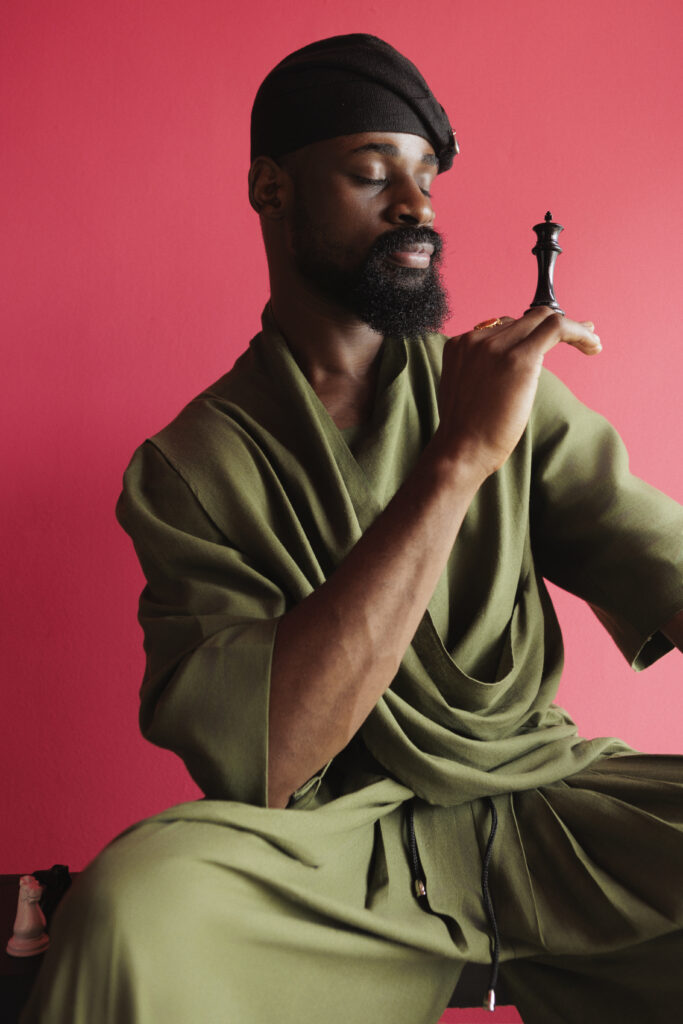
From the slums of Ikorodu, in a world shaped by scarcity and grit, Tunde picked up a chessboard, an object many around him saw as strange, insipid, or irrelevant to the frantic demands of survival. But he held onto it. He studied it. He mastered it. And, in time, he transformed it into a purpose larger than himself.
Today, the boy who grew up in the creeks of Ikorodu is a two-time Guinness World Record holder, a champion of child education, and one of the most formidable philanthropic forces rising from Africa. His work with Chess in Slums has opened doors, minds, and destinies, proving to thousands of children that they can achieve great things from small places.
Yet despite the lights of Times Square, the applause of powerful rooms, and the lives he has transformed, Tunde remains what he has always been:
A Nigerian boy who refused to accept the limits the world tried to place on him.
I. THE BOY
“I think Tunde Onakoya is just, still a boy from Ikorodu, you know, who refused to accept that his life will be defined by where it started.”
Long before the world knew his name, there was simply a boy, small, curious, and restless Growing up in the unforgiving corridors of Ikorodu. Poverty wasn’t just a condition; it was the air his childhood breathed. Yet even within the hardship, Tunde carried a strange sense of wonder, a stubborn refusal to believe that his beginning had to dictate his becoming.
He grew up watching his parents make sacrifices that would have broken lesser hearts. His mother, determined to give her son a chance at a better education, volunteered as a cleaner at a local secondary school so he could attend in exchange. Every morning she swept classrooms she never sat in, so her son could sit in the ones she cleaned. Her humility became his compass; her sacrifice became his foundation.
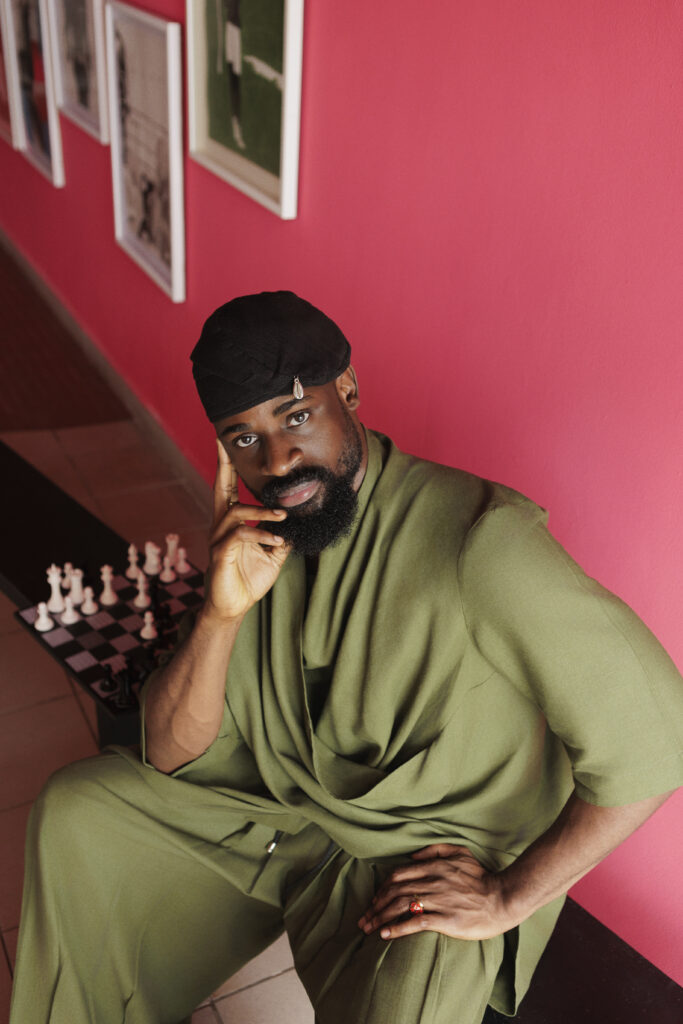
Ikorodu shaped him in contradictory ways. It gave him ambition and anger, but also empathy and gratitude. It taught him that survival wasn’t an individual pursuit it was communal. “The village must protect the vulnerable,” he often recalls. That was the spirit he grew up with, a fight that was never just for himself.
“So at my core, you know, I believe that. I believe in this pursuit of wonder, of still seeing the world, you know, in a wonderful way, and despite all of the, like, very difficult things.”
But above all, Ikorodu gave him a heart that refused cruelty. It taught him that even when life hardens you, you must not let it hollow you.
II. THE AWAKENING

The true beginning of Tunde’s becoming didn’t happen over a chessboard. It happened the day he returned to Ikorodu and saw a group of young boys, boys who looked exactly like him already slipping into the dangerous seduction of internet fraud, drugs, and survival by any means.
Most of them were already on destructive paths. Poverty had written a script for them before they learned to write their own names.
That afternoon, something shifted. It was as if the boy he once was stood before him, asking for help. Tunde realised that chess, the one thing that had given him dignity and escape could be a tool for them too. It wasn’t about the game anymore; it was about possibility.
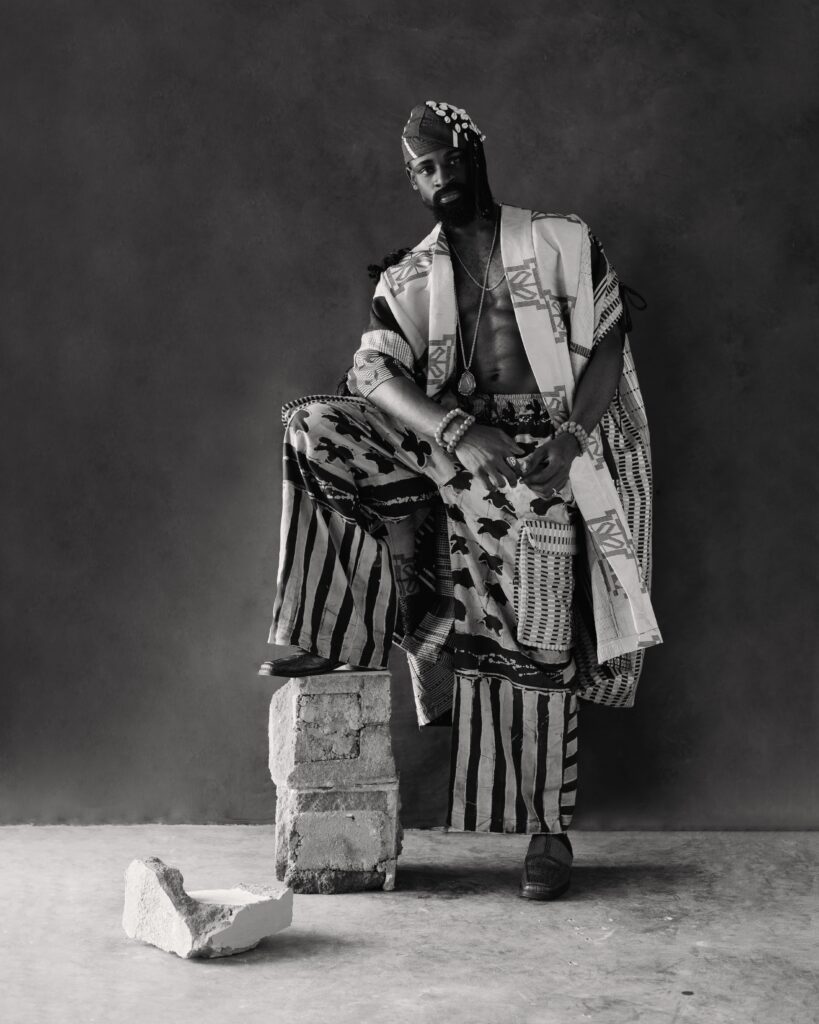
The epiphany was simple: “someone had to stand in the gap for these children. Someone had to show them that their story could be rewritten.”
In that moment, chess became purpose, a calling larger than himself.
III. THE BECOMING
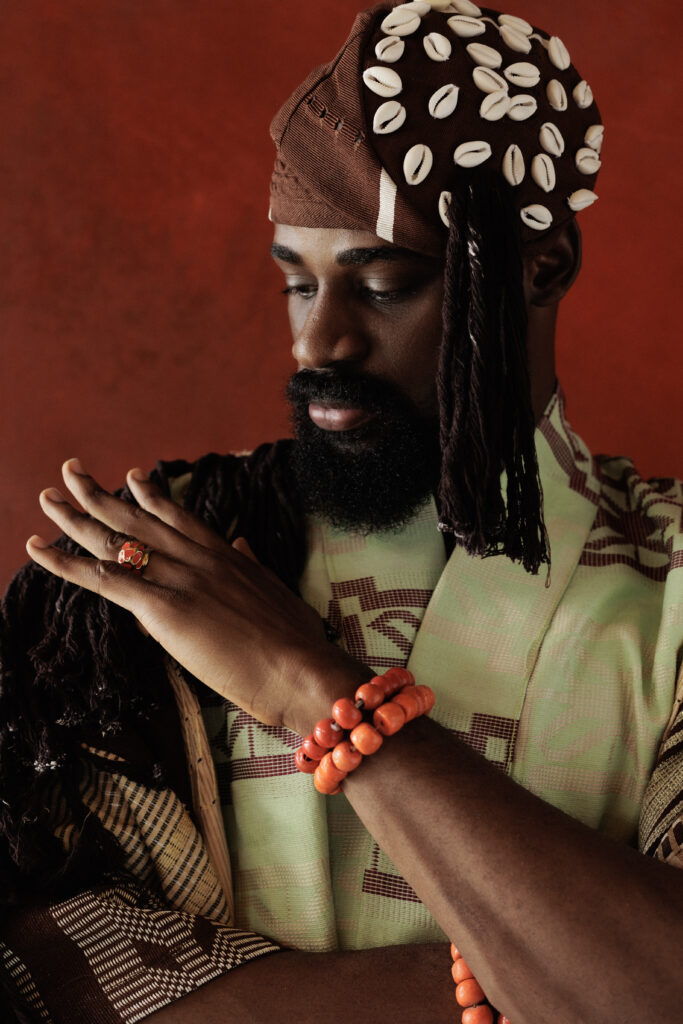
“And also helped me understand that, you know, despite having so little, that we could make like so much more of the little things that we had.”
The journey from calling to impact was not romantic. It was built on days when his generosity outweighed his bank account, and nights when he wondered if the dream was worth the sacrifice.
There was a day he spent teaching children in the slums and, without thinking, gave out every naira he had on him. When he boarded a bus back home, he reached into his pocket and realised he had no fare. Stranded and embarrassed, he quietly turned to the lady beside him and asked if she could help.
Moments like that revealed who he was: a man who gave until he had nothing left, not because he was careless, but because he understood what it meant to have nothing.
There were times he couldn’t pay rent. Times he felt like the charity case trying to run a charity. Times he questioned God, and times when only faith kept him from giving up entirely. But each time he faltered, he remembered that his life was now tied to thousands of children whose futures were leaning on him.
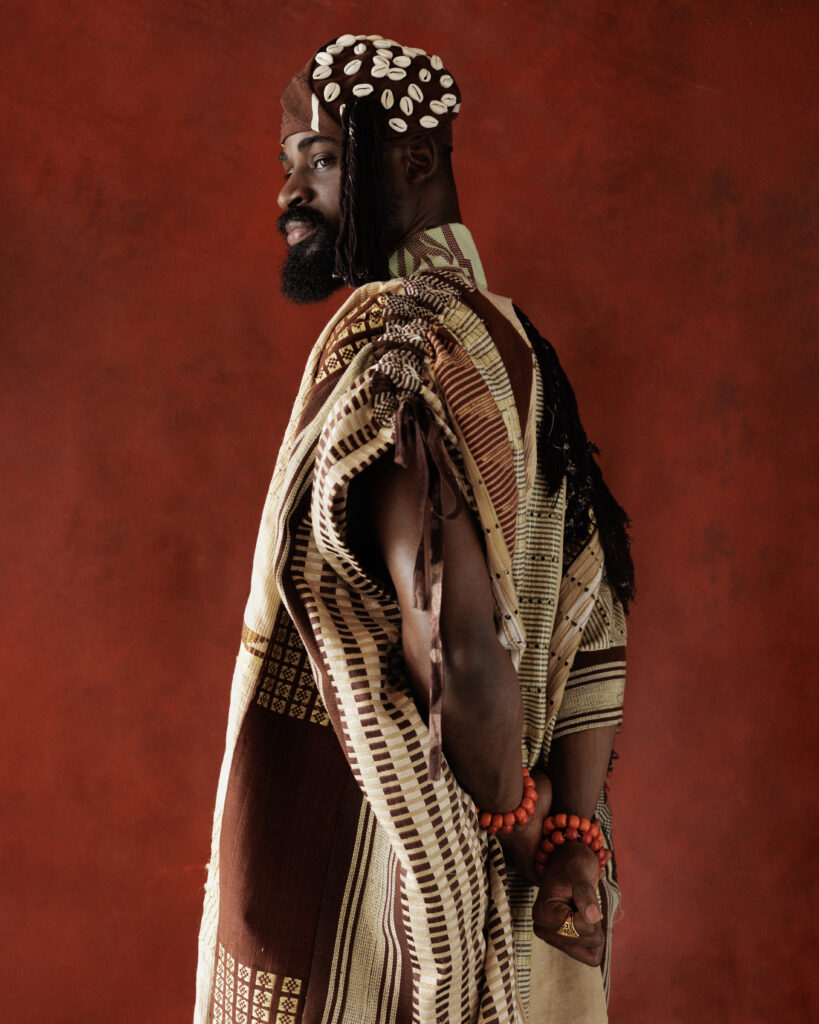
He has always said he is driven by hope, not naïve optimism, but stubborn, defiant hope. Hope that sees beyond what the eyes can recognise. Hope that believes in a future that does not yet exist.
“Hope is the only thing we have, and I hold on to hope against all odds, because it’s the only thing that remains when everything else is uncertain and shaky.”
And through it all, he calls his life a “scandal of many graces.” Nothing in his background guaranteed where he is now except grace.
IV. THE SYMBOL
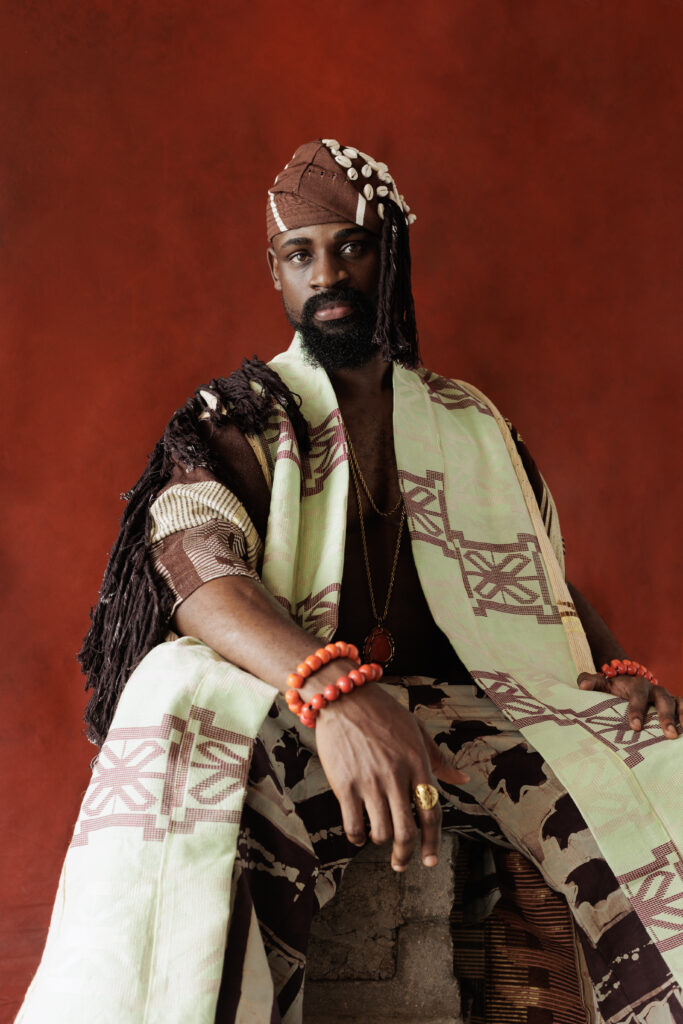
“The symbol must always be strong. You must always be hopeful, always available,” Tunde reflects. “But sometimes the man just wants an ordinary life. Life has chosen something much deeper for him, and that path can feel very lonely.”
Fame found Tunde unexpectedly, and like all fame, it came with both applause and weight. He learned quickly that recognition is not the same as influence. Virality can make someone visible; depth makes someone respected.
The world wants him to be a symbol, unbroken, flawless, eternally strong. But the man beneath the symbol still feels fear, confusion, loneliness, and exhaustion. There are days he wants an ordinary life, but destiny keeps demanding something larger.
He feels the contradiction deeply: the symbol must never crack, but the man needs space to breathe.
Still, he carries the weight with humility. He refuses to believe his own hype. He uses the spotlight not to elevate himself, but to illuminate the children society easily forgets. His philosophy is simple: turn the spotlight into a flashlight. Use visibility to reveal others. Fame, for him, is only meaningful when it amplifies service.
V. THE EXPRESSION
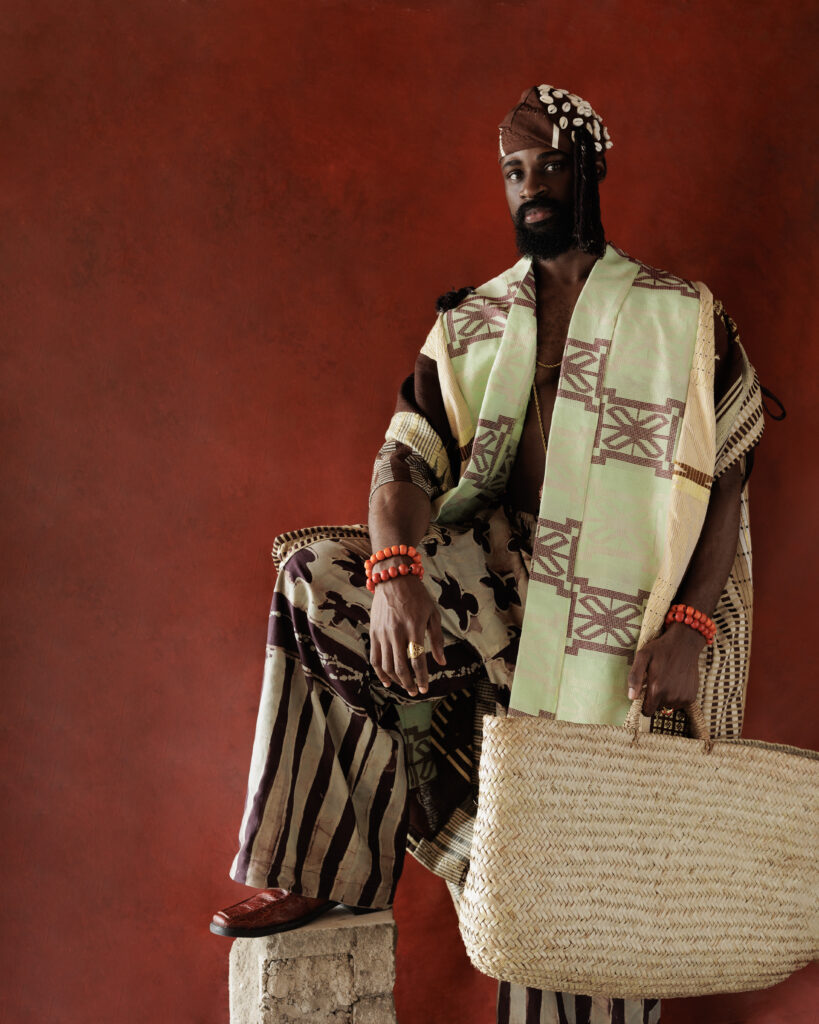
“Because we always wear caps for those children, you know, so the world can see them and see the possibility of their lives as well.”
Fashion as identity. Cultural pride. The cap. Storytelling through style.
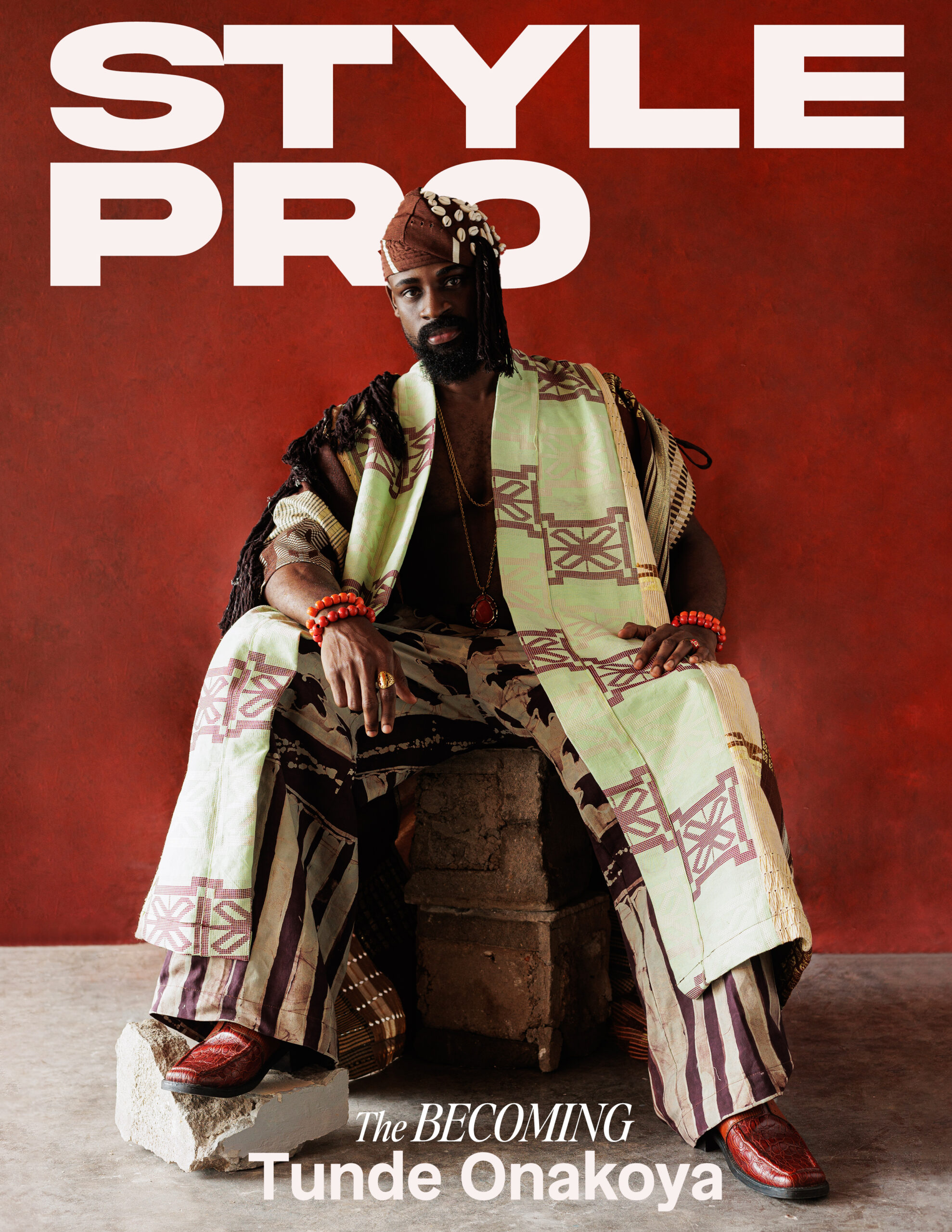
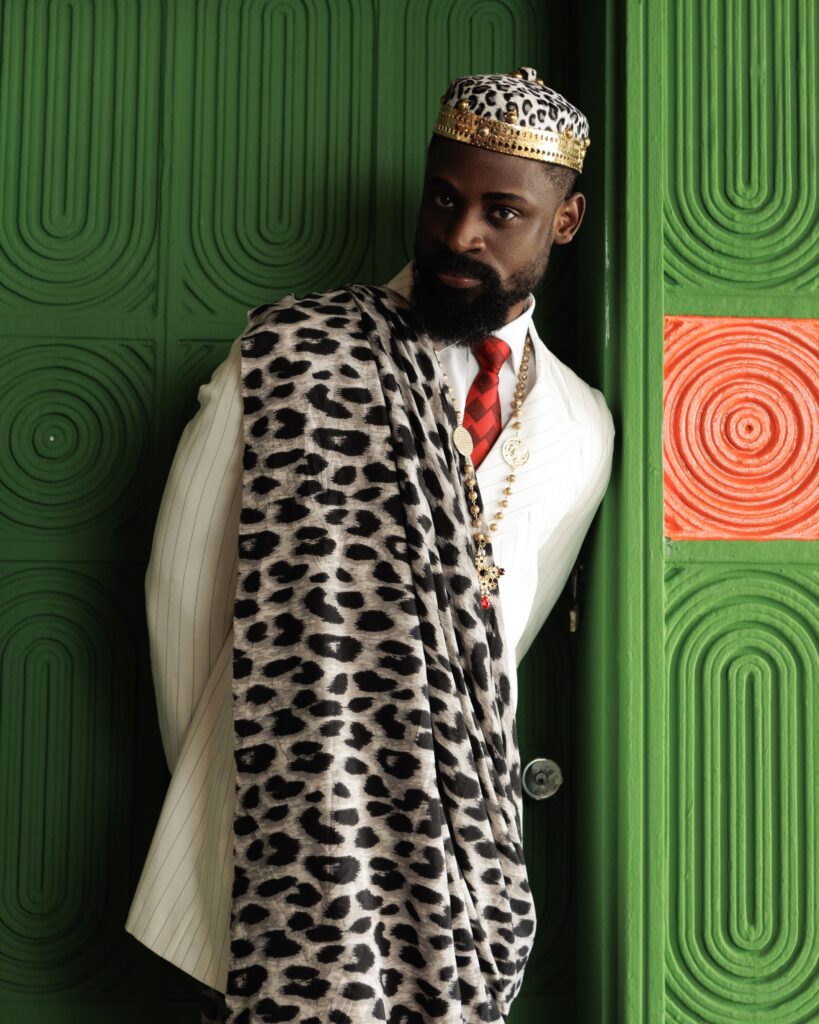
Fashion was never his obsession until he realised it could be a form of storytelling. Today, Tunde’s style is intentional and deeply symbolic; his signature Fìlà (cap) reflects culture, pride, and dignity, and he dresses in the way he wants the children he serves to feel: visible, regal, worthy.
Every child in his programmes wears a cap too, not as decoration but as declaration – a reminder that their identity is not their poverty but their possibility.
Through fashion, Tunde communicates evolution: a Nigerian boy who now understands the power of symbolism, culture, and narrative.
VI. THE LEGACY
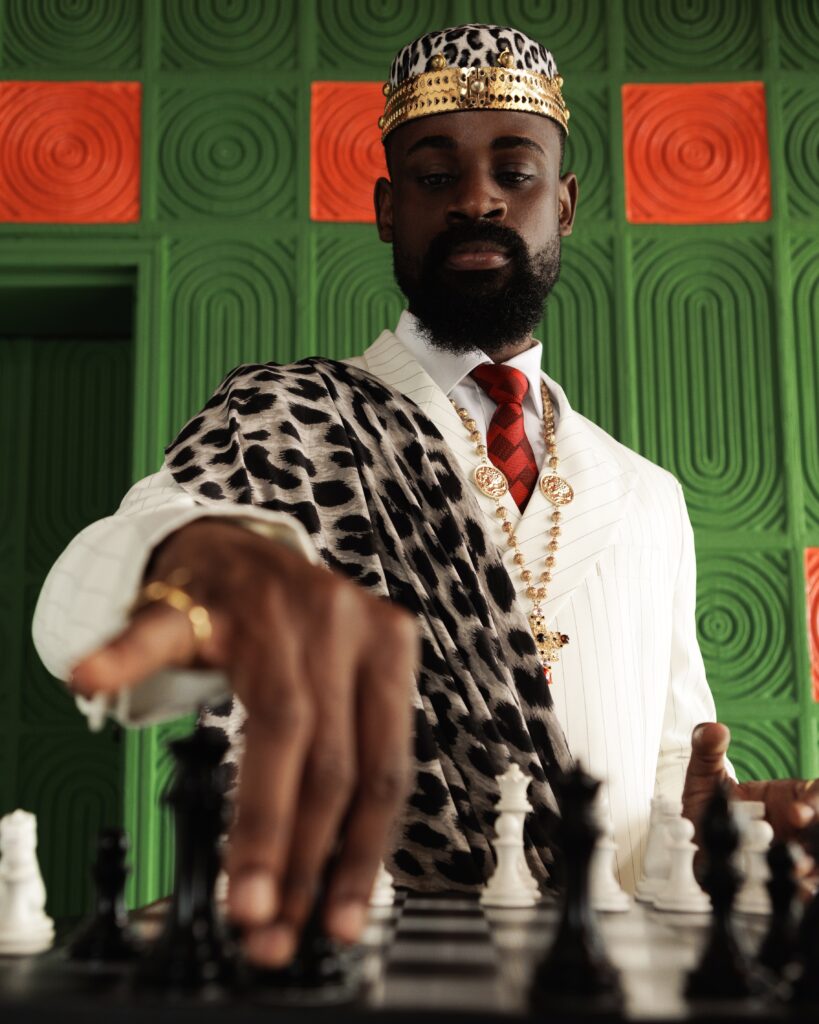
“Beyond chess, I want my legacy to be about humanity, to be about true compassion for the ones who suffer more amongst us.”
When the world talks about his legacy, many mention chess. But Tunde sees something much bigger. Chess is only the doorway; humanity is the destination.
As his influence grew, so did public scrutiny. In 2025, when a visit to Nigeria’s president sparked backlash, Tunde addressed it head-on. In a public statement, he emphasised that being honoured by his country’s highest office was not a political endorsement but recognition of his work. Embracing both praise and criticism as valid, he reaffirmed that every decision he makes serves one purpose to uplift the children society overlooks.
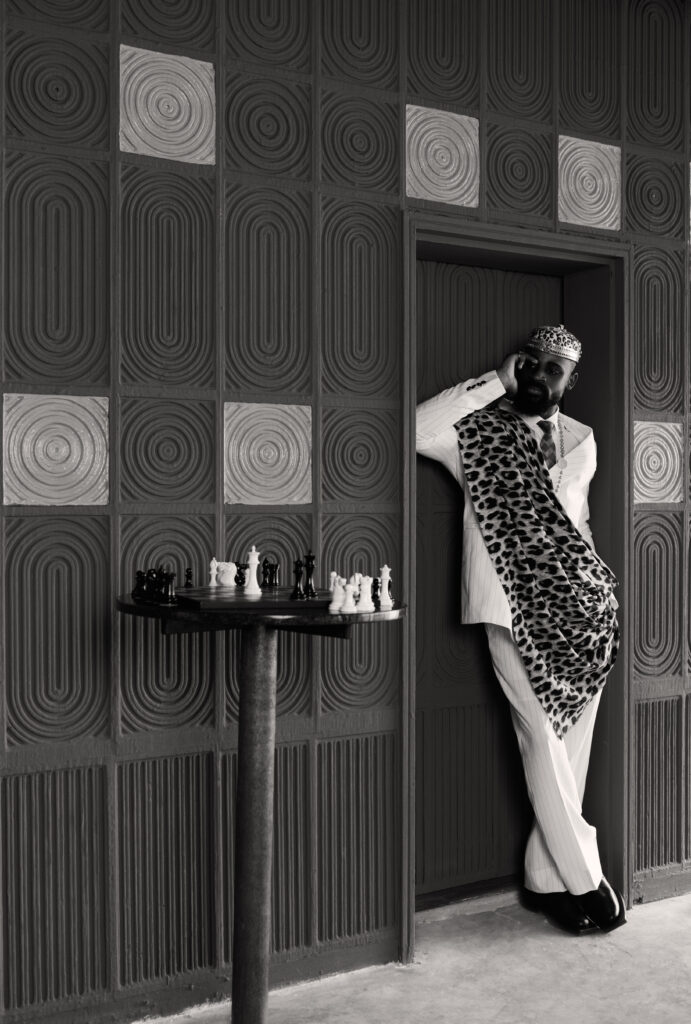
He dreams of building the world’s largest free school, “a place where children can walk in with nothing but curiosity and walk out with purpose, dignity, and skill.” A place where orphans and children from forgotten places feel seen and empowered.
He wants to be remembered not as “the man who played chess,” but as “the man who created access.” A man who believed the children society ignored were protagonists, not victims. A man who lived a life defined by compassion. A man moved by God, steadied by faith, and carried by grace.
If one word defines him, it is grace the unseen force that made his unlikely journey possible.
VII. THE NEXT CHAPTER: BEING
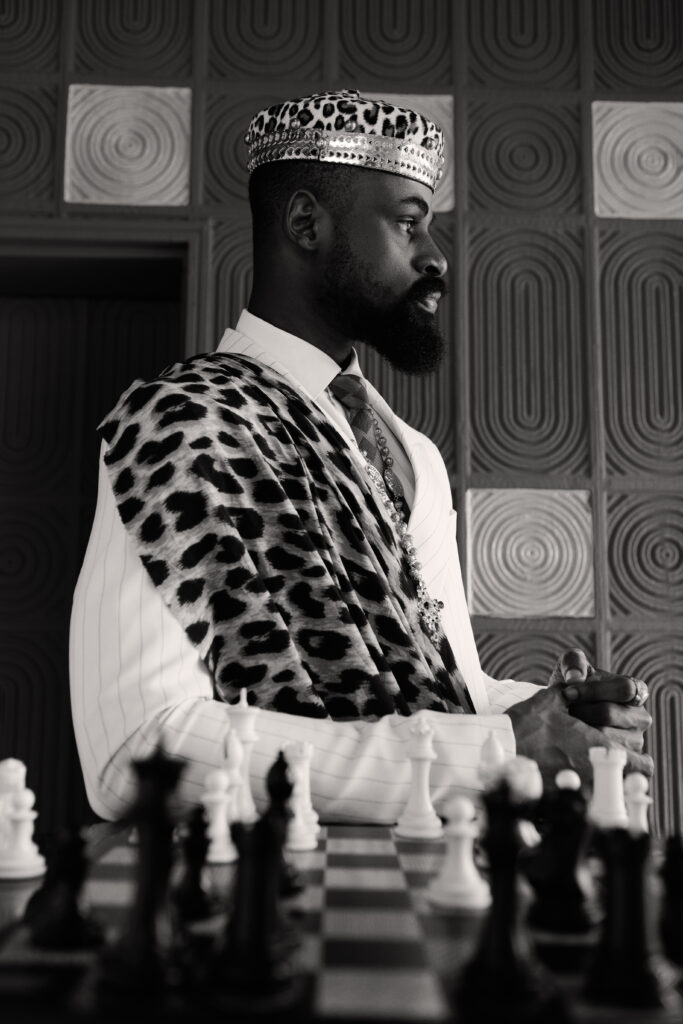
“I’ve gone through many evolutions, and it is time to just be!”
After years of running, fighting, building, and giving, Tunde is entering a quieter chapter – one defined by stillness and self-acceptance.
He is learning that he doesn’t need to prove his worth through constant doing. He can simply be. He can trust the wisdom he has earned through pain, love, service, and faith.
And even in this stillness, his vision continues to evolve.
Tunde wants to infuse chess into the fabric of pop culture; fashion, music, film, commercials, youth expression, just as he recently did with the Hennessy campaign. He believes strategy and intellect should sit comfortably beside creativity and celebrity. He wants African youth to see intelligence as cool, aspirational, and culturally relevant.
He is, in many ways, making intellectualism cool again.
This next chapter is about grounding himself while expanding the world’s imagination. It is about authenticity without performance. Wisdom without noise. Being without striving.
A man becoming whole, not for the world, but for himself.
Written by: Kehinde Adesokan
Edited by: Osagie Alonge