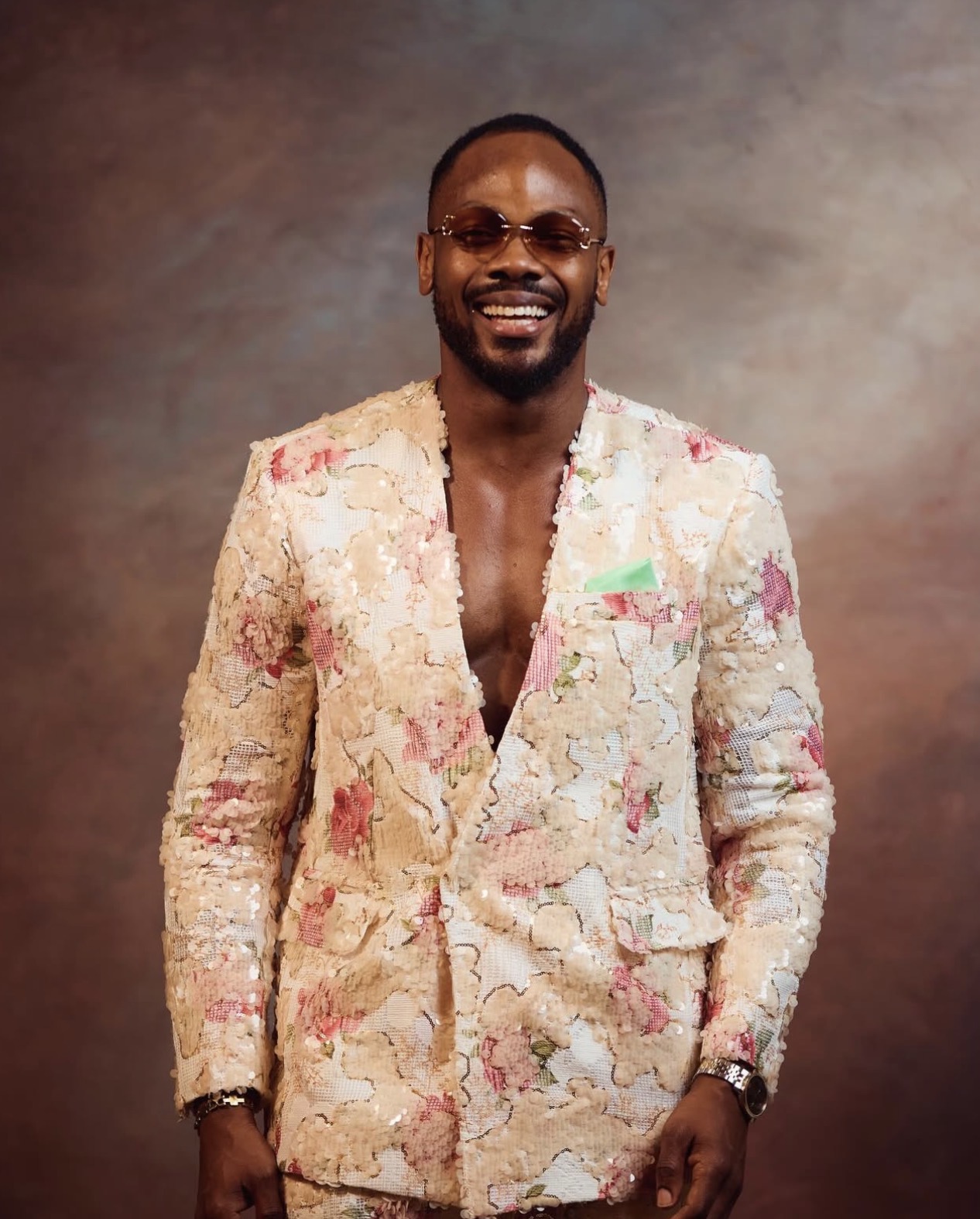
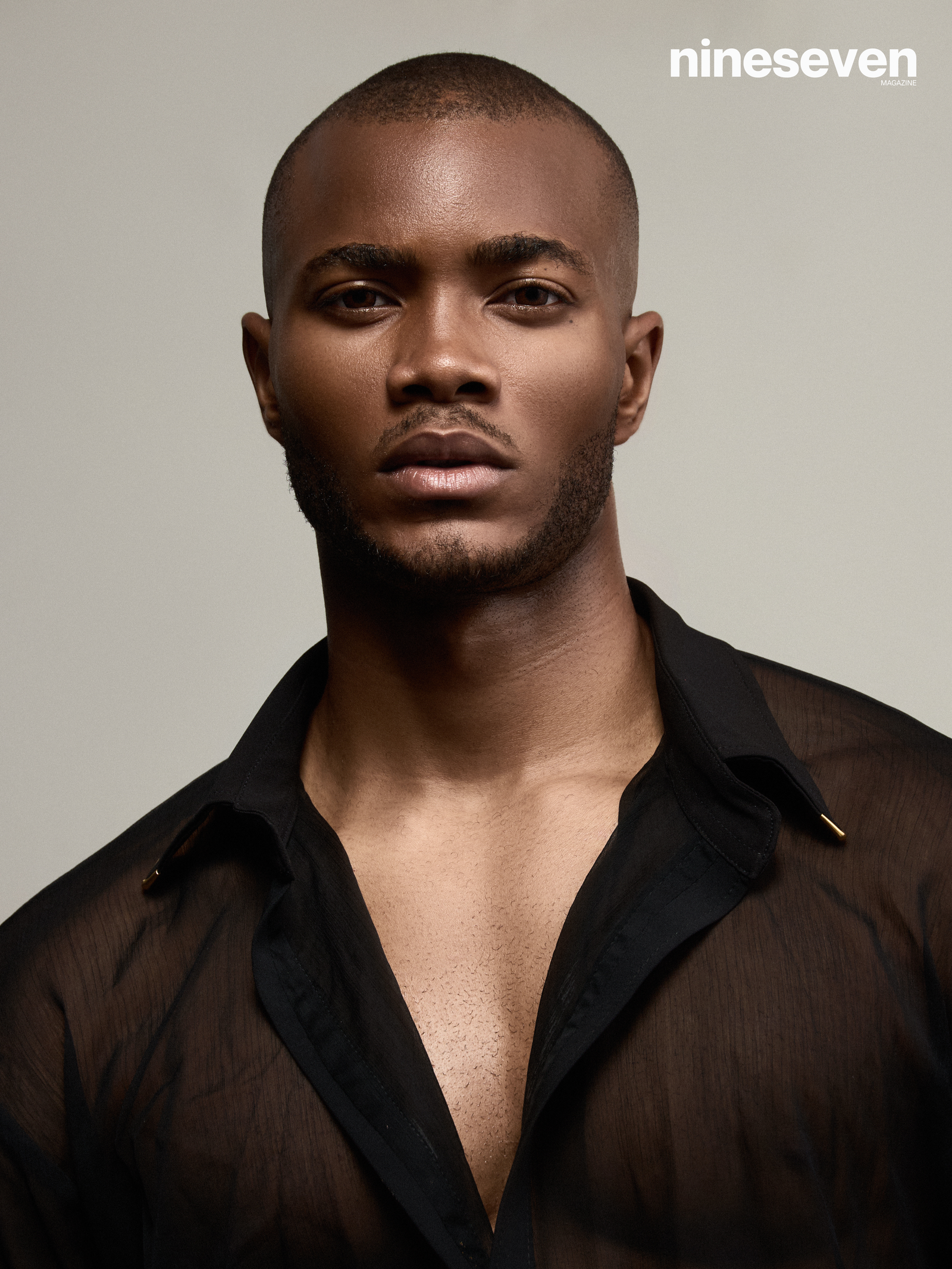
Some people make history. Others spend their lives trying to live up to it. Samuel Nwajagu chose a different path: to keep evolving.
When Samuel became the first African and Nigerian to win the prestigious Mister International title, he did more than claim a crown; he shattered a barrier and inspired a generation to believe that global excellence has no geographical limits.
His victory was a defining moment for Africa, a reminder that talent, discipline, and determination can open doors once thought unreachable.
Today, Samuel stands at another exciting crossroads.
From international pageantry to film, hosting, and storytelling, he is embracing a new chapter built on growth, purpose, and impact. While many know him as a history-maker, few have seen the dedication, resilience, faith, and relentless pursuit of excellence that continue to define his journey behind the scenes.
For the debut cover of Nine Seven Magazine, we sit down with Africa’s Global Gentleman to discuss the lessons from his rise, the responsibility of representation, his transition into acting, and the legacy he hopes to leave for the next generation.
This is not a story about a title.
This is a story about becoming.
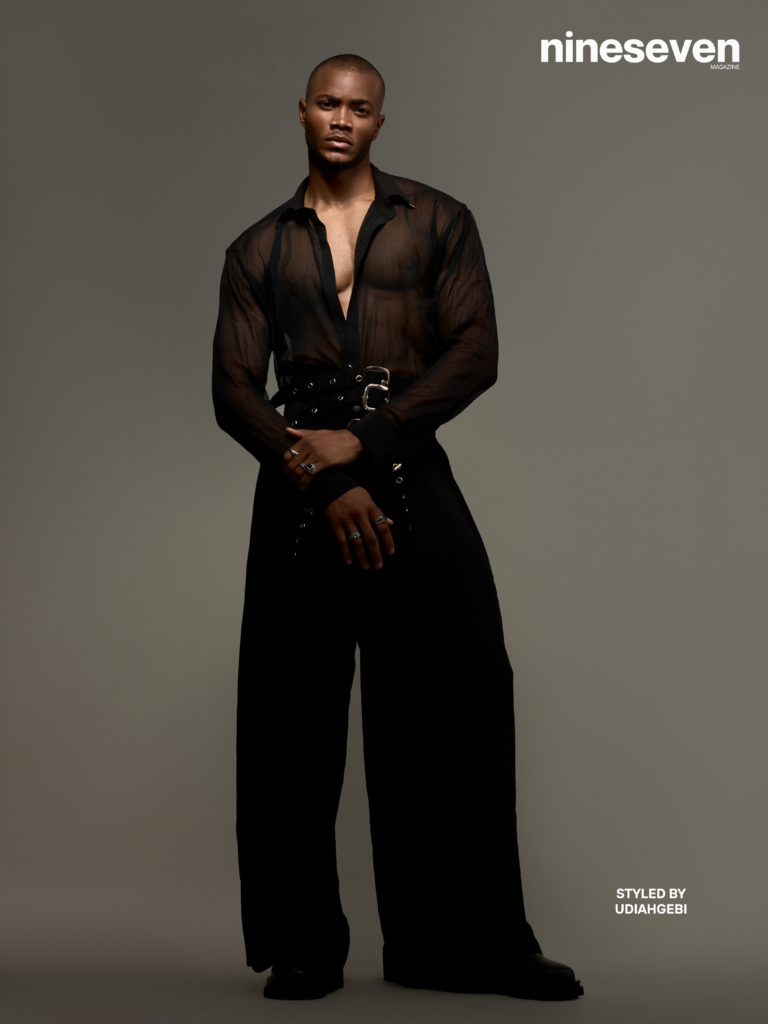
PART 1: THE EARLY YEARS
1: Before the titles and recognition, who was Samuel Nwajagu?
Before the titles, I was just a young man raised in an entrepreneurial home. Someone who believed in hard work, discipline, and showing up even when no one was watching. I was the guy learning quietly behind the spotlight, with a big dream and a lot of fire in me.
2: What experiences shaped the man you are today?
Growing up around my father shaped me the most. Watching him work, seeing his work ethic and consistency taught me what real commitment looks like.
Those early lessons in discipline and integrity are the foundation of who I am.
3: Growing up, did you always imagine a career in the public eye?
Not exactly, but I always knew I wanted to do something big. I didn’t know when or how it would happen, I just had this inner drive that one day I’d be in spaces where I could inspire people. So I just kept preparing and kept learning to be ready when an opportunity presents itself.
4: What values from your upbringing still guide you today?
Hard work, consistency, and respect. My family taught me that you don’t have to be great to start, but you have to start to be great. That mindset and the discipline from home still guide every decision I make. I’m not scared to start over or handle new challenges. As long as I know it’s right I will start with what I have and build gradually to become great.
5: What challenges did people not see during your rise?
A lot of quiet work. The rejection, the waiting, the self-doubt. People see the win but not the years of preparation, the moments of uncertainty, and having to believe in yourself when no one else did yet.
PART 2: MAKING HISTORY
6: What did it mean personally to achieve international recognition on such a global stage?
It meant that hard work pays off. Becoming the first African and Nigerian to win Mister International was personal proof that consistency wins. It also felt like a responsibility – like doors were opening not just for me, but for others coming after me, especially Africans.
7: Did you fully understand the impact your achievement would have on young Africans?
At first I was just focused on the goal. But after, I started getting messages from young Africans saying “if you did it, I can too.” That’s when it hit me. I realized the win was bigger than me. It showed that Africans are capable and can thrive in any space if given the chance.
8: What lessons did competing internationally teach you about leadership and representation?
That representation is leadership. How you carry yourself, how you prepare, how you speak , the values you believe in, authenticity in who you are — people are watching and your actions can either help build or destroy someone.
Competing taught me to lead with humility, to represent with pride, and to understand that you’re carrying more than just yourself.
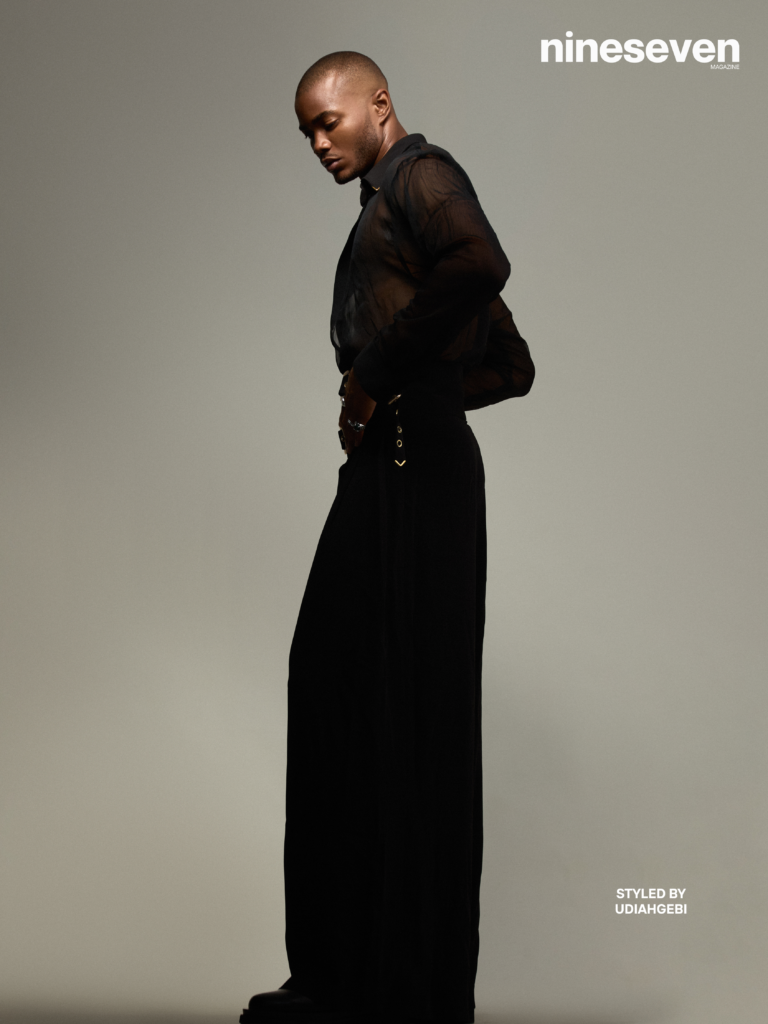
PART 3: LIFE AFTER THE TITLE
9: How did life change after global recognition?
Life got busier, and the opportunities got bigger. But more than that, the responsibility grew. People started looking to me for inspiration, so I had to be more intentional about what I do and how I show up.
10: Was there any pressure that came with being seen as a role model?
Yes. There’s pressure to stay consistent, to keep growing, and to not let people down. But I see it as a good pressure. It keeps me grounded and reminds me to stay committed to the values that got me here.
11: Were there moments when you felt your identity was becoming bigger than the title itself?
Definitely. The title opened the door, but who I am as a person — my work ethic, my faith, how I treat people — that’s what people started connecting with. I learned that the title gets you in the room, but your character keeps you there.
PART 4: THE MOVE INTO ACTING
12: What attracted you to acting? Was acting always part of the plan or did it find you?
Acting found me, but I was open to it. What attracted me is the chance to bring stories to life and connect with people emotionally. With acting, you get to step into someone else’s world and make it feel real.
13: What was the biggest adjustment moving from live appearances to film sets?
The pace. With live appearances, everything is in the moment. On a film set, it’s more detailed — you repeat scenes, you wait, you focus on small moments. It taught me patience and precision.
14: How would you describe your experience working on your latest projects?
It’s been a learning experience and a blessing. I’ve grown a lot as a performer. Working with great actors and teams has pushed me to be better, and I’m grateful for the chance to bring stories to life on screen.
15: What excited you most about the epic film you’ve recently been involved in?
The story, the cast, and the production. The movie Scent of a Woman (Obekoba) was shot and directed in Obekoba Village bringing the cast very close to the characters’ lives and experience.
Epic films let us showcase our culture, our strength, and our history in a big way. I’m excited that audiences will see African narratives told with excellence and pride.
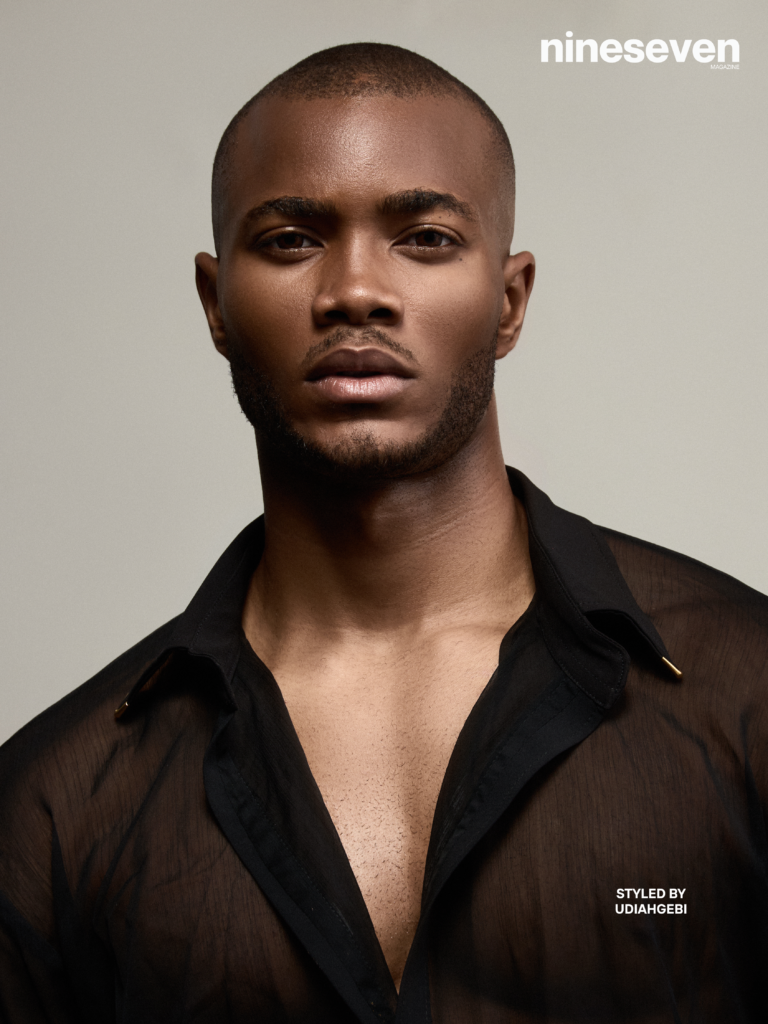
PART 5: HOSTING & PUBLIC SPEAKING
16: You’ve also built experience as a host. What do you enjoy most about engaging audiences live?
The energy. I love connecting directly with people, reading the room, and bringing the vision of the event to life. There’s nothing like that live connection.
17: How does hosting differ from acting?
Acting is about bringing a character to life with a script. Hosting is about bringing the event to life.
You’re the bridge between the organizers and the audience. It’s about vibe, flow, and making people feel something.
PART 6: AFRICA & REPRESENTATION
18: What responsibility comes with representing Africa on global platforms?
A big one. You’re not just representing yourself, you’re representing a continent. So you have to carry yourself with excellence, pride, and authenticity. You have to show the world the best of who we are.
19: How do you think international perceptions of African talent are changing?
They’re changing fast. The world is starting to see that African talent is world-class. For a long time we were overlooked, but now Africa has achieved great feats in different fields, and will continue to do it.
20: What more needs to be done to spotlight African men in entertainment, fashion and media?
More investment, more platforms, and more stories. We need to create our own tables and also take seats at global ones. And we need to keep showing up with excellence so the world can’t ignore us.
PART 7: THE MAN BEHIND THE PUBLIC IMAGE
21: What keeps you grounded? How do you define success today?
My faith and my family keep me grounded. Everything I am today and will ever be is by the grace of God.
For me, success today is about impact. It’s not just titles, it’s about the lives you touch and the example you set.
22: What does leadership mean to you?
Leadership means service. It means showing up first, doing the work, and lifting others as you climb. It’s about representation with responsibility, empathy and good intentions.
PART 8: THE FUTURE
23: Five years from now, where do you see yourself?
Still growing. I see myself acting in bigger projects, hosting global stages, and building platforms that create opportunities for other Africans. I want to be in spaces where I can continue to inspire and create.
24: What kind of impact do you hope your work leaves behind?
I want my work to say: “An African did it.” I hope young people look at my journey and believe that no dream is bigger than them. That they can start now and become great.
25: What message would you like to send to young Africans following your journey?
No dream is bigger than you. You are capable. Start now. Put in the work, build strong systems, stay consistent, and trust God.
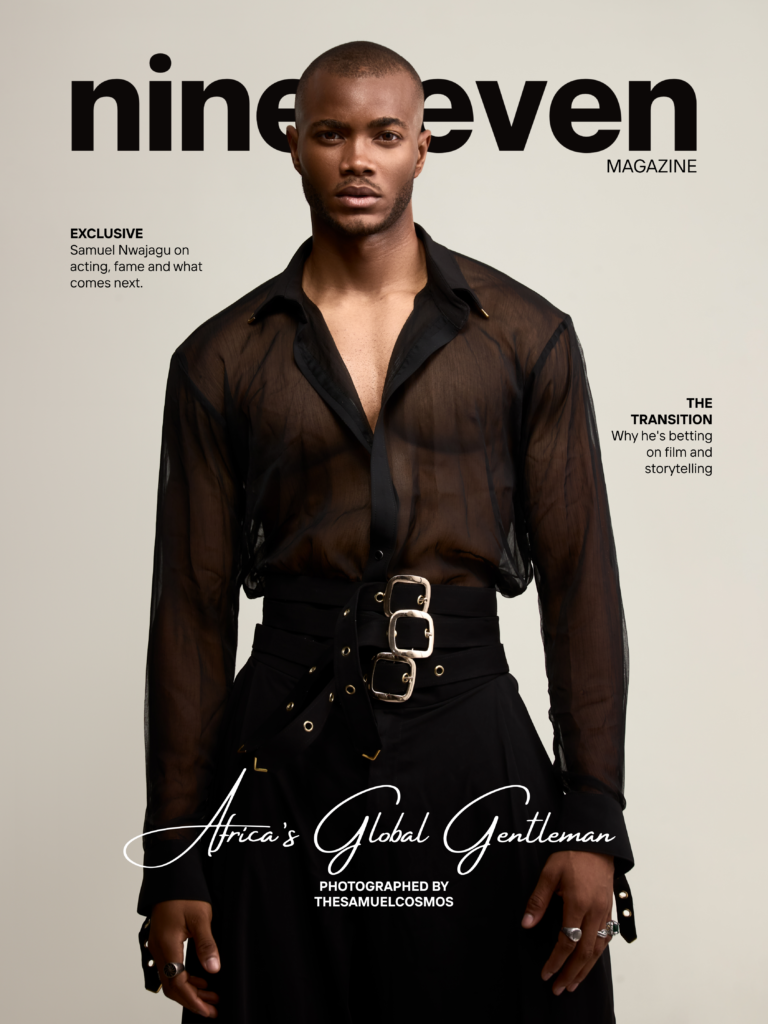
As the conversation draws to a close, one thing becomes clear: Samuel Nwajagu’s story was never meant to end with a title.
While becoming the first African to win Mister International secured his place in history, it is his commitment to growth, purpose, and service that continues to define his journey.
Whether on a global stage, on a film set, behind a microphone, or inspiring young people across the continent, Samuel represents a generation of Africans determined to dream bigger and push further.
His story is one of preparation, faith, resilience, and the courage to begin again whenever growth demands it.
For Samuel, the crown was never the destination. It was simply the beginning.
And as Nine Seven Magazine launches its debut cover with a man who turned a personal dream into a continental milestone, the message is clear:
History may remember how Samuel Nwajagu broke barriers.
Legacy will remember how he kept moving beyond them.