Why modern womanhood increasingly feels like a life under constant preparation.
A few weeks ago my younger sister sent me a list.
She’s graduating from university soon, and what started as a normal conversation about the ceremony slowly turned into something else. There were wigs on the list. Makeup. Two dresses; one for the ceremony, another for photos. Shoes. Nails. A photographer. A second outfit for another photoshoot after the event.
At some point I stopped reading and just stared at the message.
Not because any of those things were strange on their own. They weren’t. In fact, they were all perfectly normal. That was the thing that unsettled me.
The quiet assumption that showing up to an event is not enough. That you must arrive fully assembled.
And once that thought settled in, I started noticing something I had seen for years but never quite articulated.
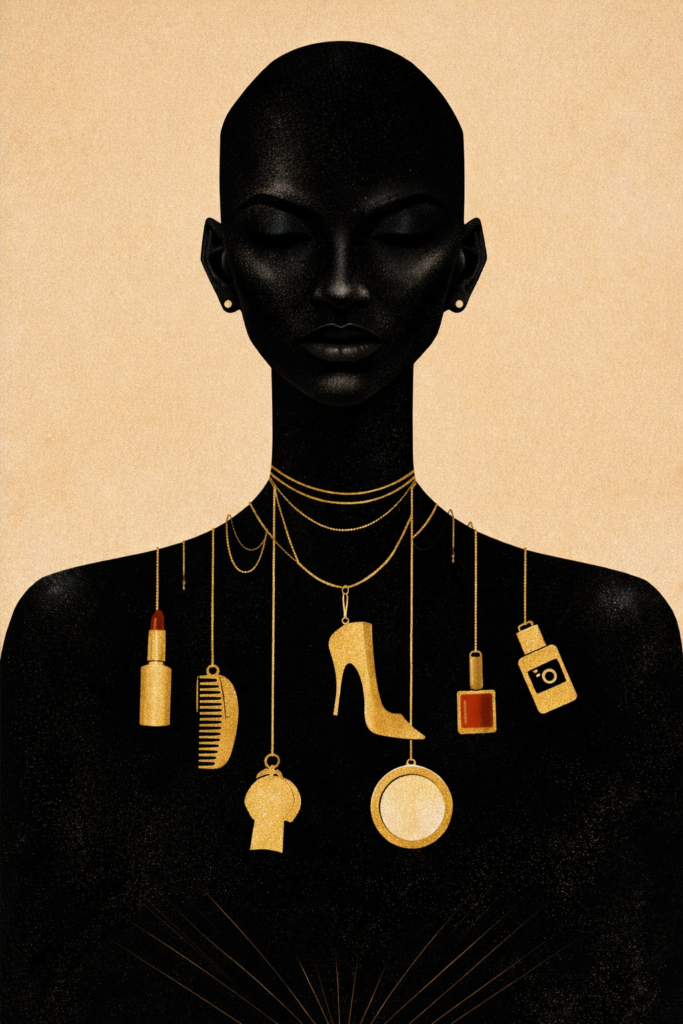
Being a woman seems to require an astonishing amount of preparation.
I used to work at an investment bank in Lagos.
Anyone who has spent time in those glass office towers knows the rhythm of those mornings. People arrive early, coffee in hand, phones already buzzing with market updates and overnight emails.
But what always caught my attention was something else entirely.Some of my female colleagues would walk in looking impossibly put together.
Perfect wigs. Carefully done makeup. Outfits tailored with precision. Shoes that somehow matched everything.
There was always an incredible amount of detail. Nothing looked accidental.
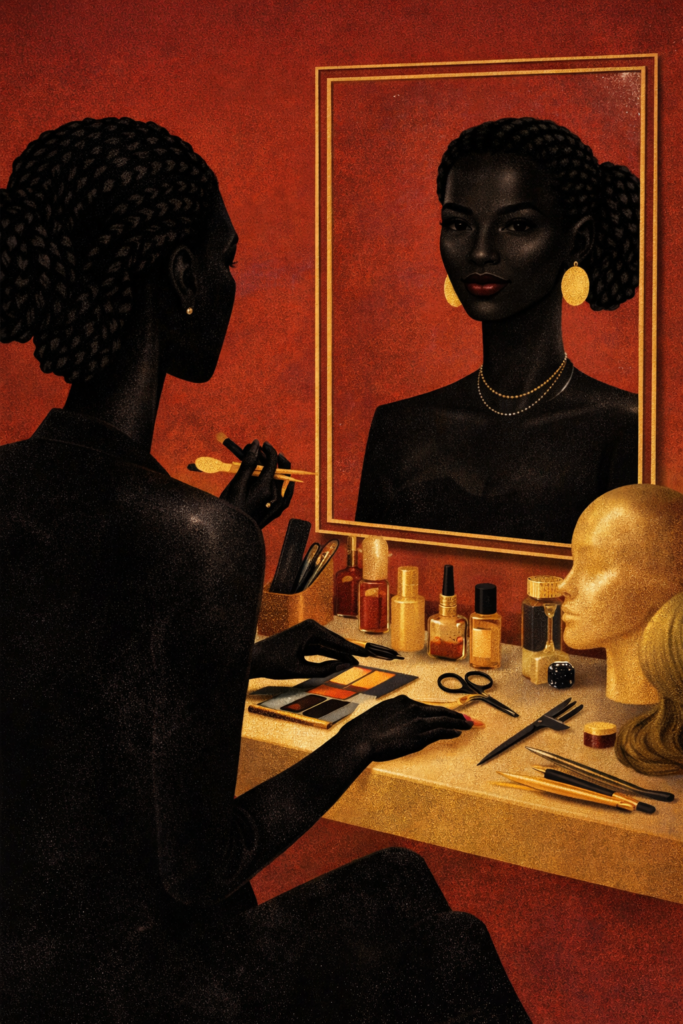
And I would sometimes find myself wondering; not in judgement, but in genuine curiosity,how long it must have taken to get ready that morning.
Because for many of them, the workday seemed to begin long before they entered the office.
Presentation has always mattered in Nigerian culture, across the country, appearance carries meaning. To look neat is to signal discipline. To dress well is to signal respect, both for yourself and for the environment you are entering. You see it everywhere.
The care with which women prepare for church on Sunday. The elegance of gele at weddings. The quiet pride of mothers making sure their daughters step out looking presentable. Style, in many African contexts, has always been tied to dignity.
But in modern urban life, especially in professional spaces, the expectations around women have expanded into something more layered.
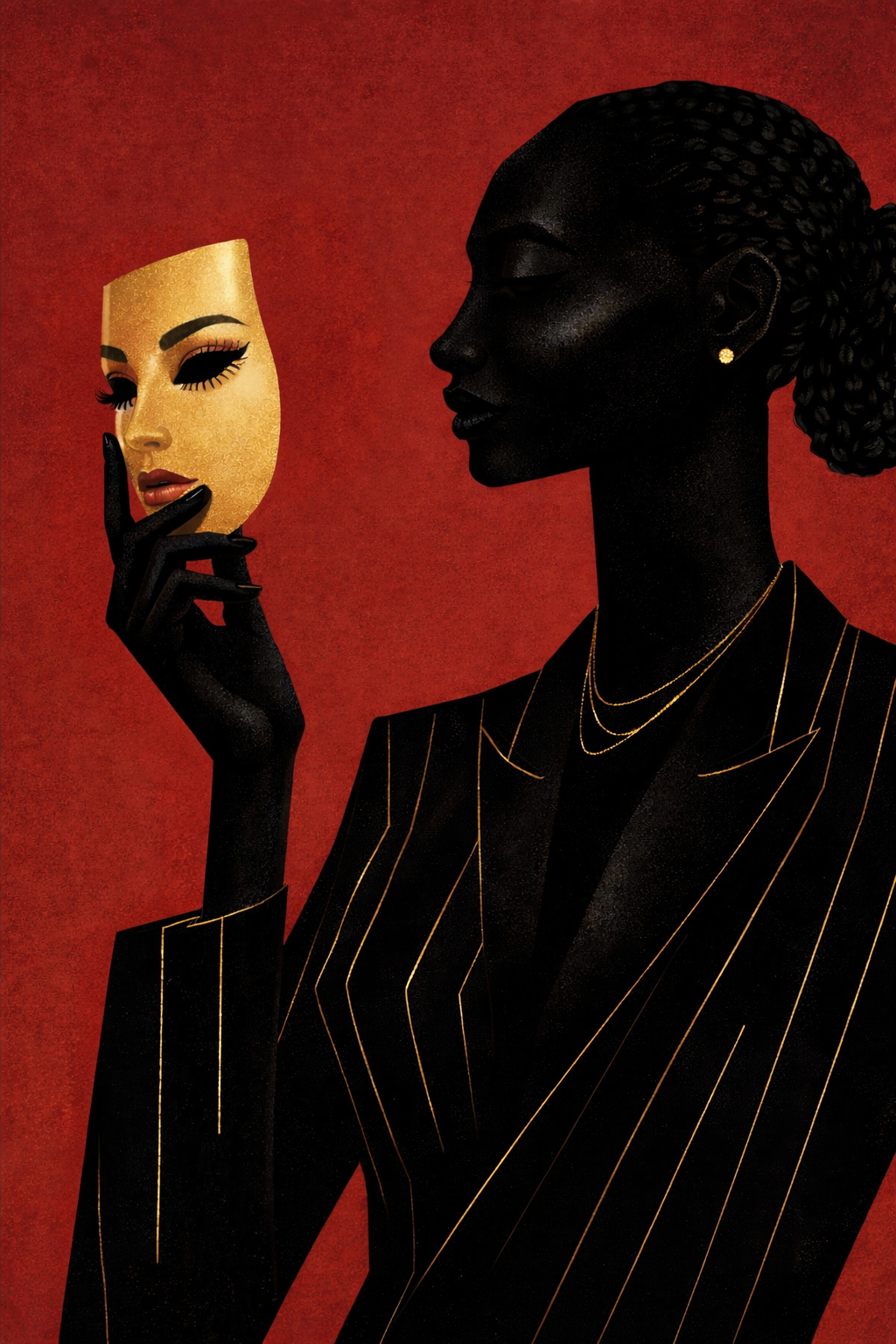
It’s no longer just about looking presentable. It’s about looking exceptional.
In many professional environments, particularly in cities like Lagos, women often feel they must arrive not only competent but perfectly polished.
Hair has to be on point, clothes sharp and composure steady.
And sometimes the expectations extend even further; The right tone of voice, the right level of confidence and the right kind of accent.
For some women climbing corporate ladders, especially in industries shaped by global influence, there is often a subtle pressure to refine every part of themselves, not just how they work, but how they appear.
It includes how they speak, how they carry themselves and how they present success.
None of these expectations are written anywhere. But they exist.
The pressure does not end at the office door.
Social media has added an entirely new dimension to the performance of femininity.
Today, presentation is no longer only for the room you’re physically in. It is also for the invisible audience online.

Images circulate constantly, Perfect wigs. Designer handbags. Immaculate makeup.
Carefully staged photographs.
Standards rise quietly.
What once felt extravagant is now normalised.
Before long, maintaining a certain aesthetic becomes part of everyday life.
And yet, the pressure surrounding women is not created by men alone.
Women observe other women. Sometimes admiringly. Sometimes competitively. Sometimes unconsciously.
One person upgrades her look, and the baseline shifts for everyone else.
Luxury hair becomes common.Aesthetic photoshoots become expected.
Cosmetic procedures quietly enter conversations that would once have been unthinkable.
Not long ago, news circulated about a young woman in Lagos who died after complications from a Brazilian Butt Lift procedure, one of the most medically dangerous cosmetic surgeries in the world.
The story moved quickly through the news cycle and then faded.But it left behind an uncomfortable question.
How far are people willing to go to meet the standards of beauty and perfection that now surround us?
At the same time, it would be too simple to frame all of this as oppression.
African women have long used style as a form of power.
Across markets, offices, churches and homes, presentation can be a way of asserting dignity. A way of saying: no matter the circumstances, I will still show up well.
There is something admirable about that instinct.
But somewhere along the way, dignity slowly began to blur into expectation.
And expectation slowly began to resemble obligation.
That was the thought I returned to while looking at my sister’s graduation list.
She isn’t trying to impress anyone. She’s simply preparing the way women have learned to prepare.
Hair ready, makeup ready, outfit ready, photos ready.
Because somewhere along the line, womanhood became something that must always appear carefully assembled.
Maybe that is the quiet truth behind all of this.
Women are not trying to be extraordinary. They are simply trying to meet the standards that society; sometimes men, sometimes other women, sometimes culture itself has slowly built around them.
And those standards require an enormous amount of work.
The kind of work that often begins long before the day itself even starts.