2025 has been a landmark year for African storytelling on both the big and small screens. Across the continent, from bustling Nollywood studios to visionary auteurs showcased at international festivals, African cinema and television have expanded the limits of genre, narrative, and cultural expression. This year’s slate of films and series highlights a vibrant lineup of voices: from intimate, character-driven dramas and bold genre explorations to riveting historical epics and boundary-pushing television that resonates both locally and globally.
African filmmakers and showrunners have not only reflected the diversity of the continent’s experiences but also redefined how those stories reach audiences worldwide, earning critical acclaim, festival honors, and fervent fan followings. Whether streaming on major platforms, dominating regional box offices, or making waves on the festival circuit, these productions represent the best of 2025.
- Labake Olododo
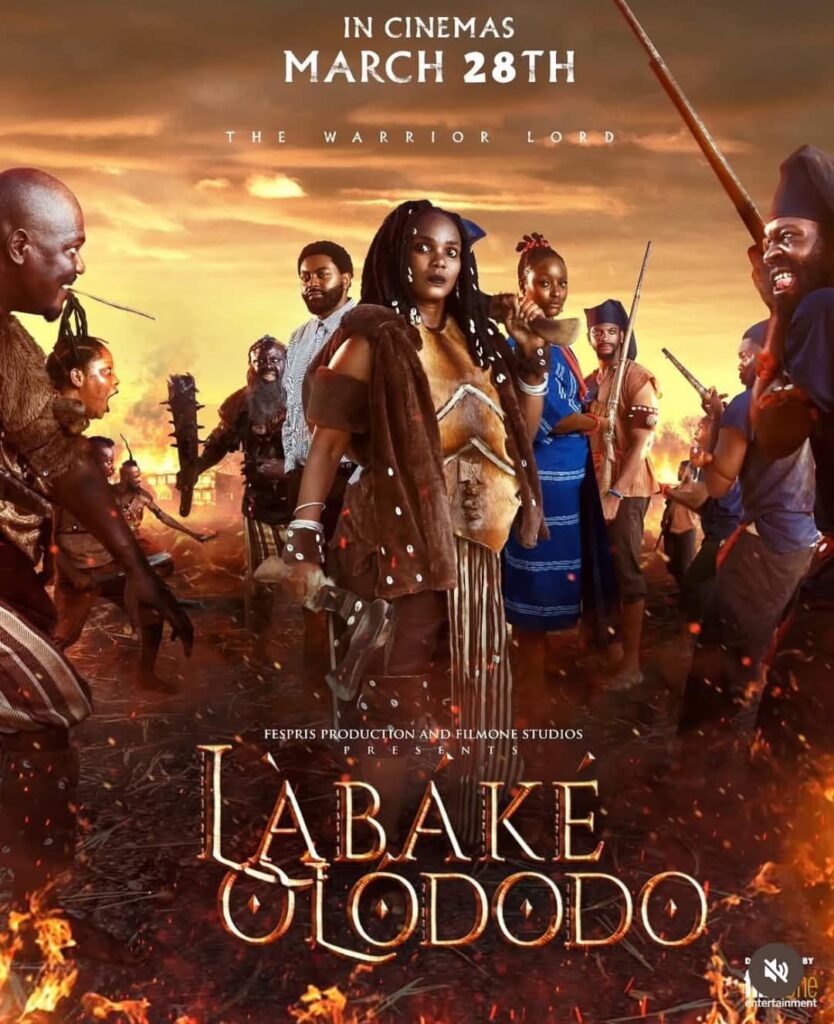
Labake Olododo is a 2025 Yoruba-language epic from Nollywood driven by a fierce central performance from Iyabo Ojo as a warrior determined to confront injustice and betrayal within her community, rooted deeply in traditional cultural themes. Directed by Biodun Stephen and featuring a wide ensemble that includes Odunlade Adekola, Fathia Balogun, Mercy Aigbe, and Tayo Faniran, the film made a splash on release, posting one of the year’s biggest opening weekends with over ₦50 million and eventually grossing north of ₦200 million at the Nigerian box office. 
On the screen, Labake Olododo oscillates between bold ambition and uneven execution. Its strengths lie in rich Yoruba cultural textures, striking visuals, and the novelty of a female warrior at the center of an epic story, a rare and exciting perspective in mainstream Nigerian cinema. Yet the narrative often feels muddled, with tonal shifts between war drama, romance, and comic relief that undercut the emotional stakes rather than elevate them, and several subplots and character arcs that never fully develop.  Despite these flaws, the film’s scale, cultural resonance, and commercial success mark it as a noteworthy and conversation-worthy entry in 2025’s cinematic landscape.
- Reel Love
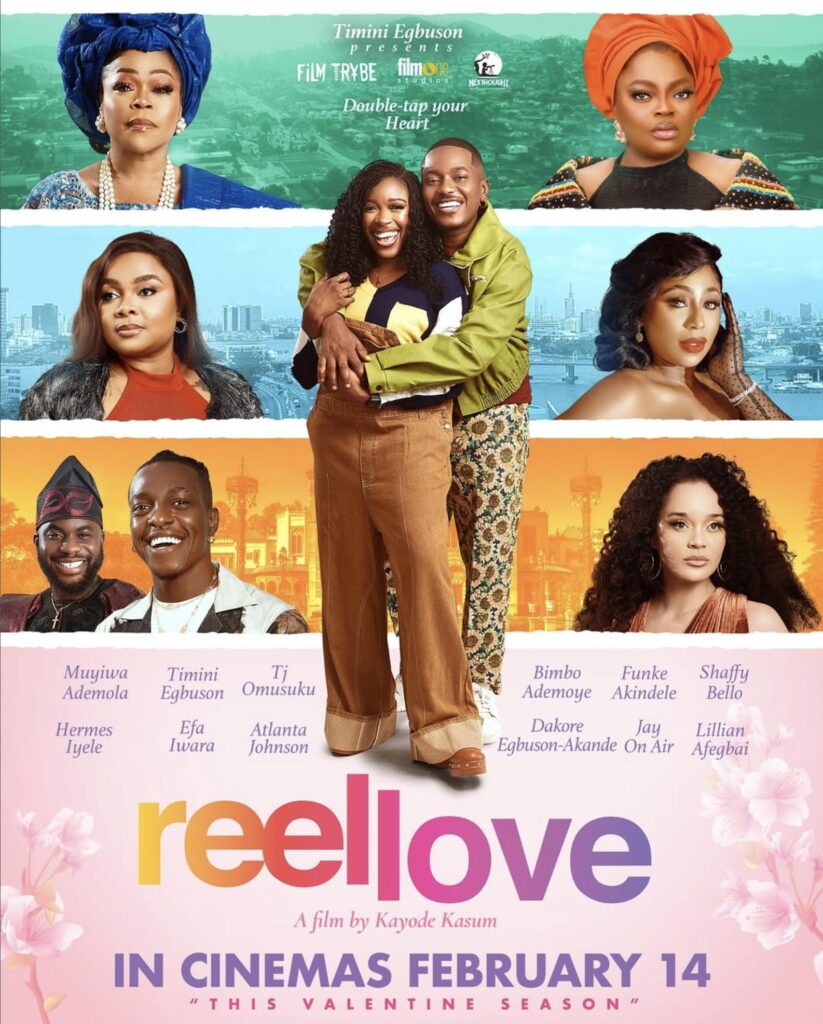
Reel Love is a 2025 Valentine’s Day release from Nollywood that pivots around the modern romance of Tomide, a social-media-savvy relationship influencer whose life is thrown into chaos after an unflattering viral video. In a bid to repair his image, he stages a fake romance with Rachel, an everyday woman whose newfound online attention quickly reshapes both their lives. Directed by Kayode Kasum and starring Timini Egbuson, TJ Omusuku, Funke Akindele, and Bimbo Ademoye, the film explores the collision of love, reputation, and influencer culture in the digital age. 
The film’s strengths lie in its timely theme and glossy production, but its execution shows both promise and limitation. While the narrative cleverly engages with how social media can manufacture and distort connections, the story often leans too heavily on familiar rom-com beats and predictable twists, with certain character arcs feeling underdeveloped and emotional stakes painted in broad strokes rather than depth. Chemistry between the leads occasionally lifts the material, but Reel Love ultimately settles as an entertaining but uneven reflection on online love stories, enjoyable for genre fans but not quite groundbreaking.
- Everybody Loves Jenifa
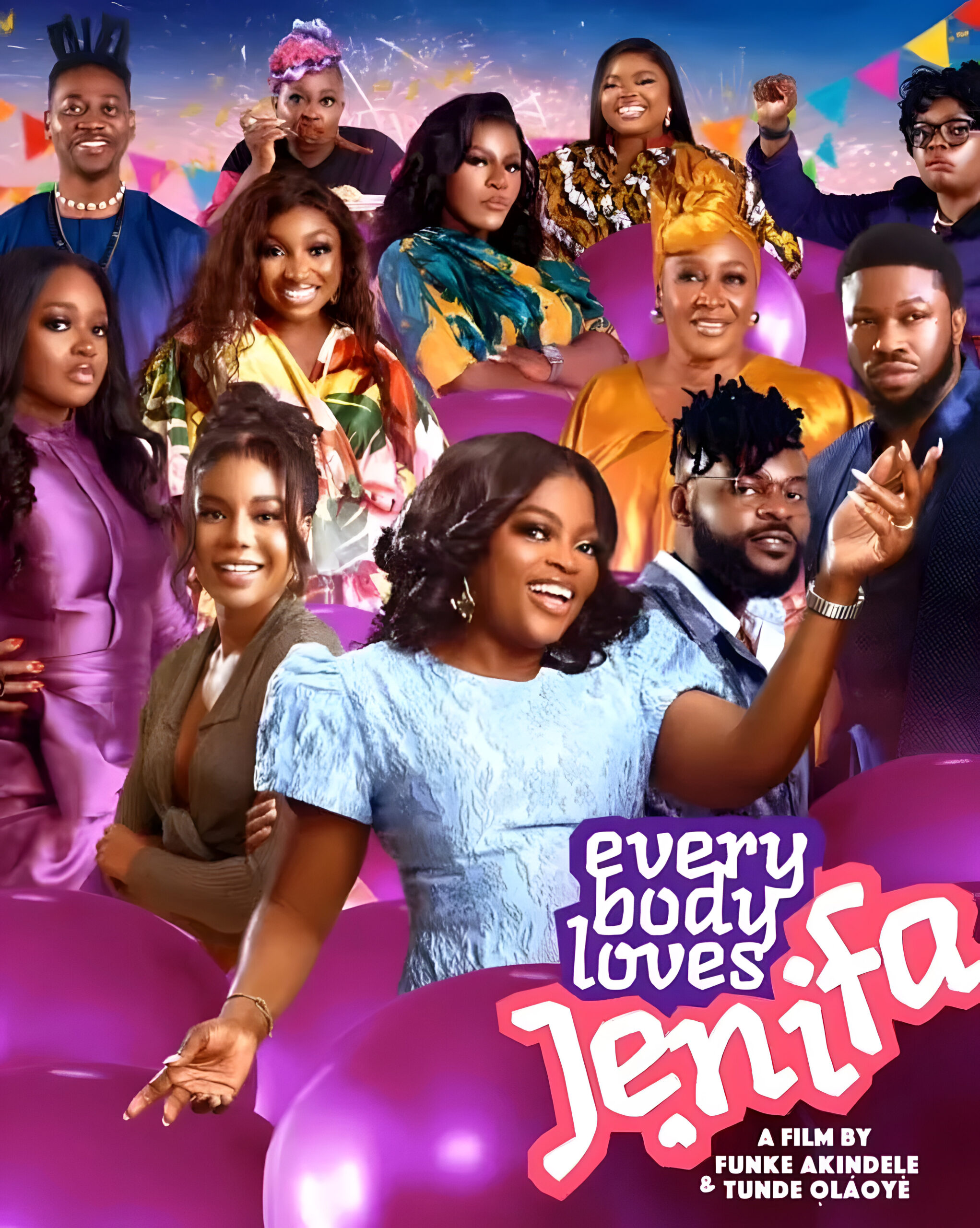
Everybody Loves Jenifa picks up the beloved Jenifa saga with its signature mix of humour and heart, dropping Jenifa into new cultural terrain as she confronts a rival neighbour and navigates a web of rivalry, personal loyalty, and community expectations. The film expands the franchise’s scope with lively performances from Funke Akindele and a stacked cast, marrying comedy with themes of resilience and self-definition as Jenifa tries to protect her foundation and identity in the face of mounting challenges. 
In 2024-25 the film redefined box office success in Nollywood. It shattered records with the biggest opening day gross in recent history and became one of the fastest films to cross ₦500 million and ₦1 billion domestically, eventually topping historic charts and becoming one of the highest-grossing Nigerian films of all time. Yet for all its commercial triumph, the film’s expansive narrative and tonal shifts can feel uneven at times, with the comedy landing more in familiar beats than fresh territory. Still, its cultural impact and audience embrace are undeniable, lifting Everybody Loves Jenifa into the year’s most talked-about releases and a defining Nollywood moment.
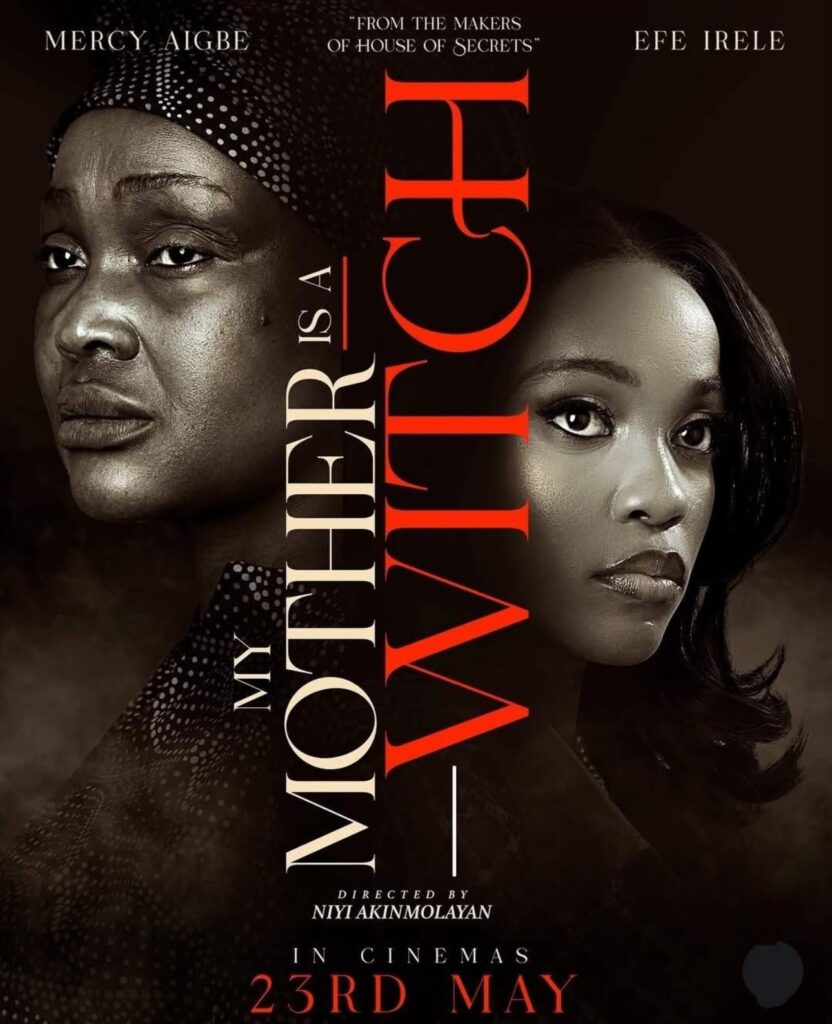
- My Mother is a Witch
My Mother Is a Witch directed by Niyi Akinmolayan and released in May 2025 subverts expectations from its provocative title, anchoring itself instead in the real-world drama of a fractured mother-daughter bond. The story follows Imuetiyan, a successful fashion editor based in London, who is pulled back to Benin City after news of her estranged mother’s death. What begins as a reluctant return quickly morphs into an emotional reckoning when she discovers her mother is very much alive and suffering, forcing both women to confront years of resentment, sacrifice, and unresolved trauma. 
The film’s boldest success lies in its authentic performances and cultural texture. Efe Irele and Mercy Aigbe bring depth and nuance to roles that could have easily slipped into melodrama, grounding their complex relationship in moments of raw honesty that many viewers will find painfully familiar. Akinmolayan’s use of nonlinear storytelling smartly mirrors the emotional unravelling at the heart of the narrative. However, the film is not without its flaws: certain emotional beats feel predictable and the resolution leans toward sentimentality rather than tension-built release. Even so, My Mother Is a Witch stands out in 2025 as a thoughtful, character-driven drama that explores forgiveness and identity with sincerity and cultural specificity, a notable entry in contemporary Nollywood storytelling.

- Visa on Arrival
Visa on Arrival is one of Nollywood’s breakout web series, continuing its run into 2025 with Season 6 and keeping audiences hooked with its quirky blend of workplace comedy and satirical social commentary. Created and produced by Ann Obaseki for Accelerate TV, the series stars Bovi Ugboma, Sophie Alakija, Temisan Emmanuel, and Real Warri Pikin as visa officers whose wildly different personalities collide daily as they process hopeful applicants at a fictional visa-issuing agency, leading to absurd situations, sharp banter, and situational humour rooted in everyday Nigerian experiences. 
The strength of Visa on Arrival lies in its ensemble chemistry and comic timing, turning bureaucratic frustrations into genuine laughs while satirising our collective obsessions with travel, status, and what it means to “make it” abroad. Its freer episodic format allows for quick wit and unpredictability, even if the humour occasionally leans toward broad caricature rather than nuanced insight. Still, its sustained popularity on YouTube and multiple season renewals speak to its resonance with audiences, making it one of 2025’s most consistently entertaining African TV experiences and a standout example of how digital series can thrive alongside traditional cinema.
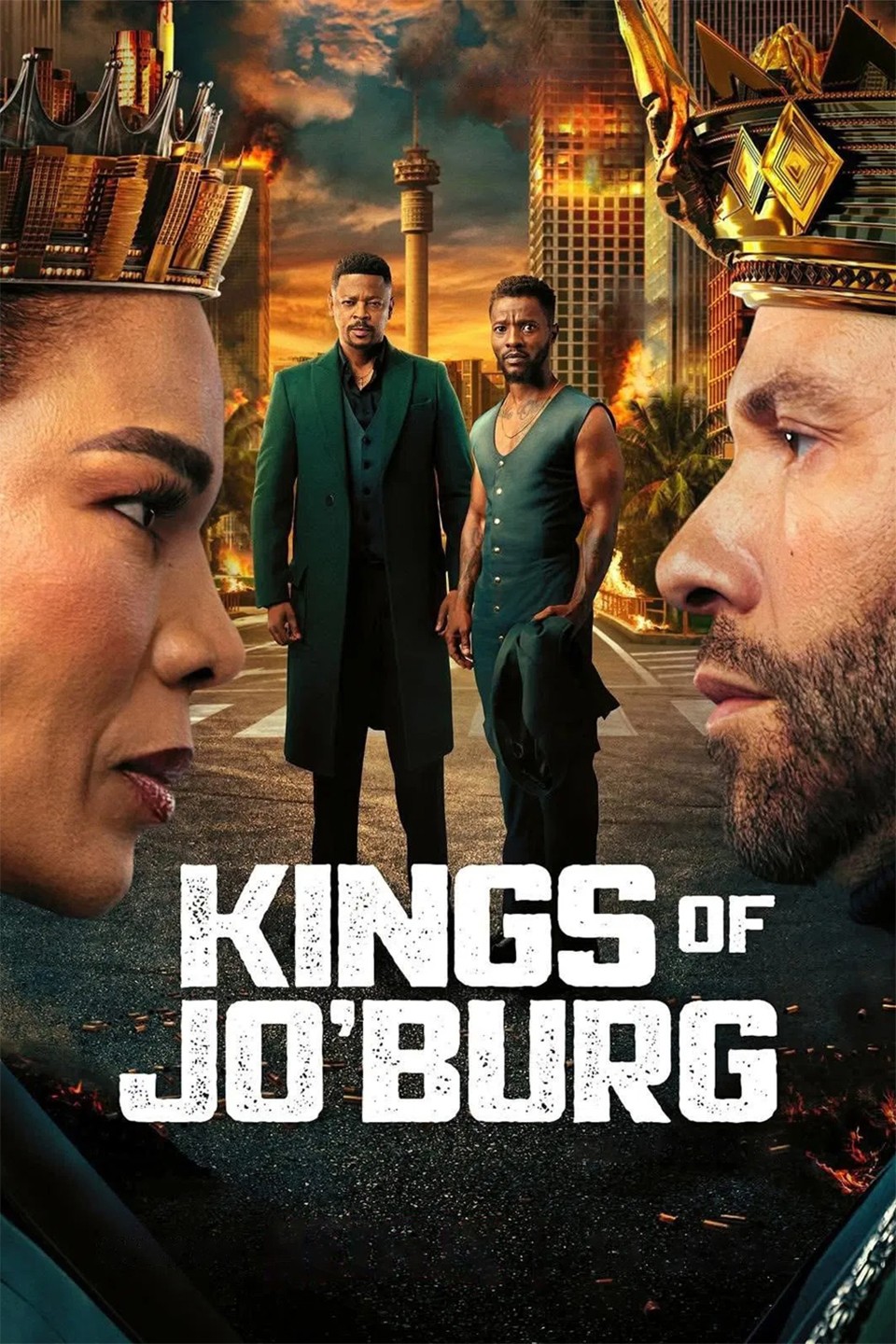
20. Kings of Joburg
Kings of Jo’Burg has grown into one of Africa’s most ambitious Netflix originals, blending crime drama with supernatural mythology as it follows the Masire family, a powerful criminal dynasty battling internal strife, rival gangs, and a mysterious curse threatening their hold over Johannesburg’s underworld. Now in its third season (2025), the South African series continues to expand its scope, mixing intense turf warfare with spiritual elements that push the story beyond typical gangster tropes. 
The show’s evolution has been mixed in execution. There’s no denying Kings of Jo’Burg has scale, a strong cast led by Zolisa Xaluva and Connie Ferguson, and a willingness to take risks by infusing supernatural lore into its noir framework, a combination that sets it apart from many contemporary African dramas. However, these same bold choices have also exposed weaknesses: the narrative can feel disjointed and overloaded, with uneven pacing and characters that don’t always land emotionally, especially when supernatural elements overshadow core stakes. While the technical polish and ambition make it compelling to watch, Kings of Jo’Burg occasionally sacrifices coherence for spectacle.
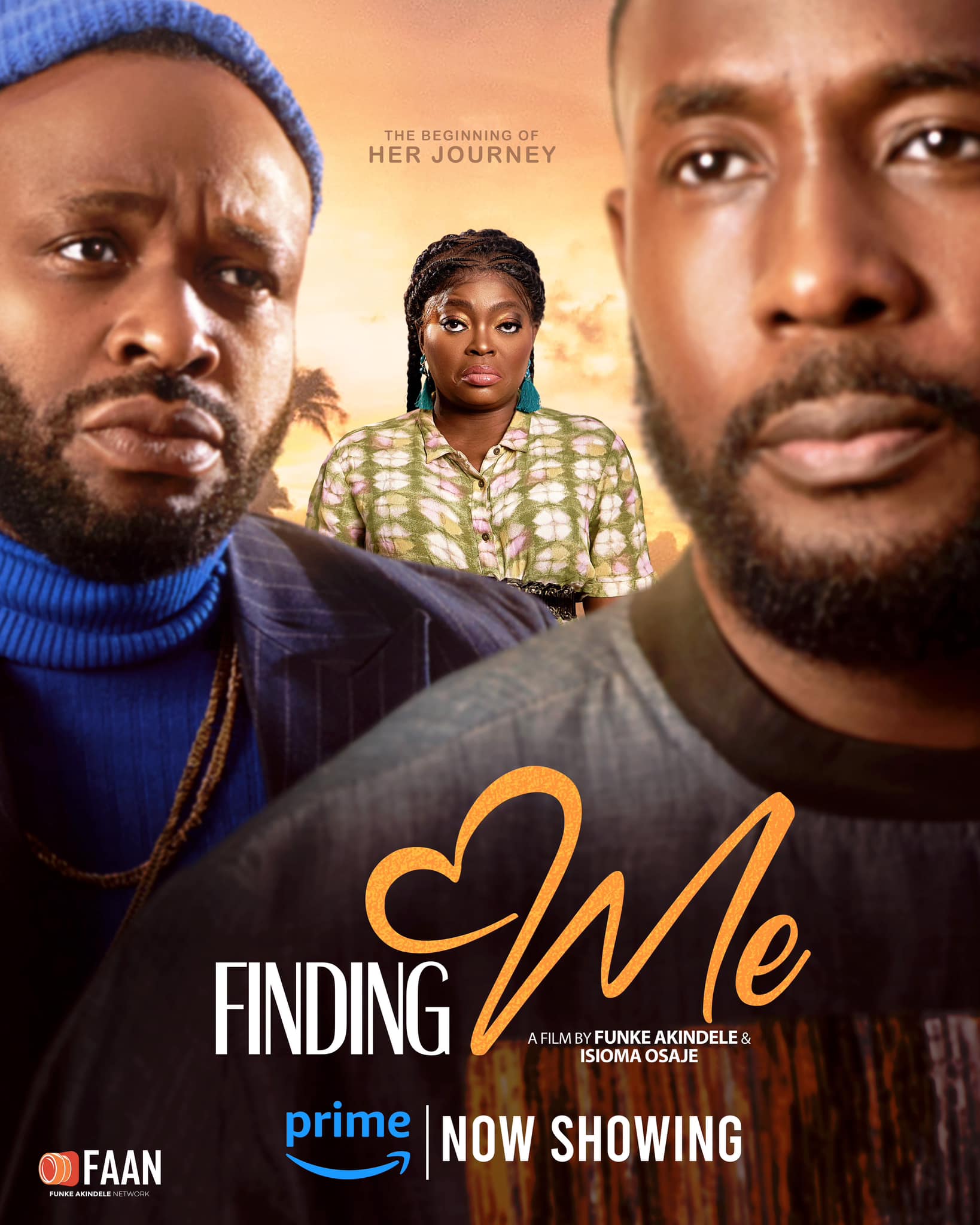
- Finding Me
Finding Me is a 2025 Nollywood drama directed by and starring Funke Akindele as Atinuke Philips, a successful CEO whose seemingly perfect life begins to unravel under the weight of betrayal, emotional abuse, and societal expectations. Atinuke’s marriage to Kolawole, built on manipulation and deceit, forces her to confront uncomfortable truths about self-worth, identity, and the cost of clinging to appearances while losing herself in the process. The film weaves through themes of toxic relationships, personal transformation, and the harsh realities many women face when navigating love, family loyalty, and cultural pressures. 
Finding Me succeeds in its ambition to spotlight emotional resilience and self-discovery, anchored by Akindele’s committed lead performance and a narrative that resonates with real-world struggles. However, its execution is uneven: the story’s pacing lingers too long in familiar melodrama before reaching emotional clarity, and certain plot threads (especially late twists involving crime-drama elements) feel tacked on rather than integral. While its heart is in the right place and its message powerful, the film’s narrative inconsistencies and structural bloat keep it from achieving the full impact it clearly aims for.
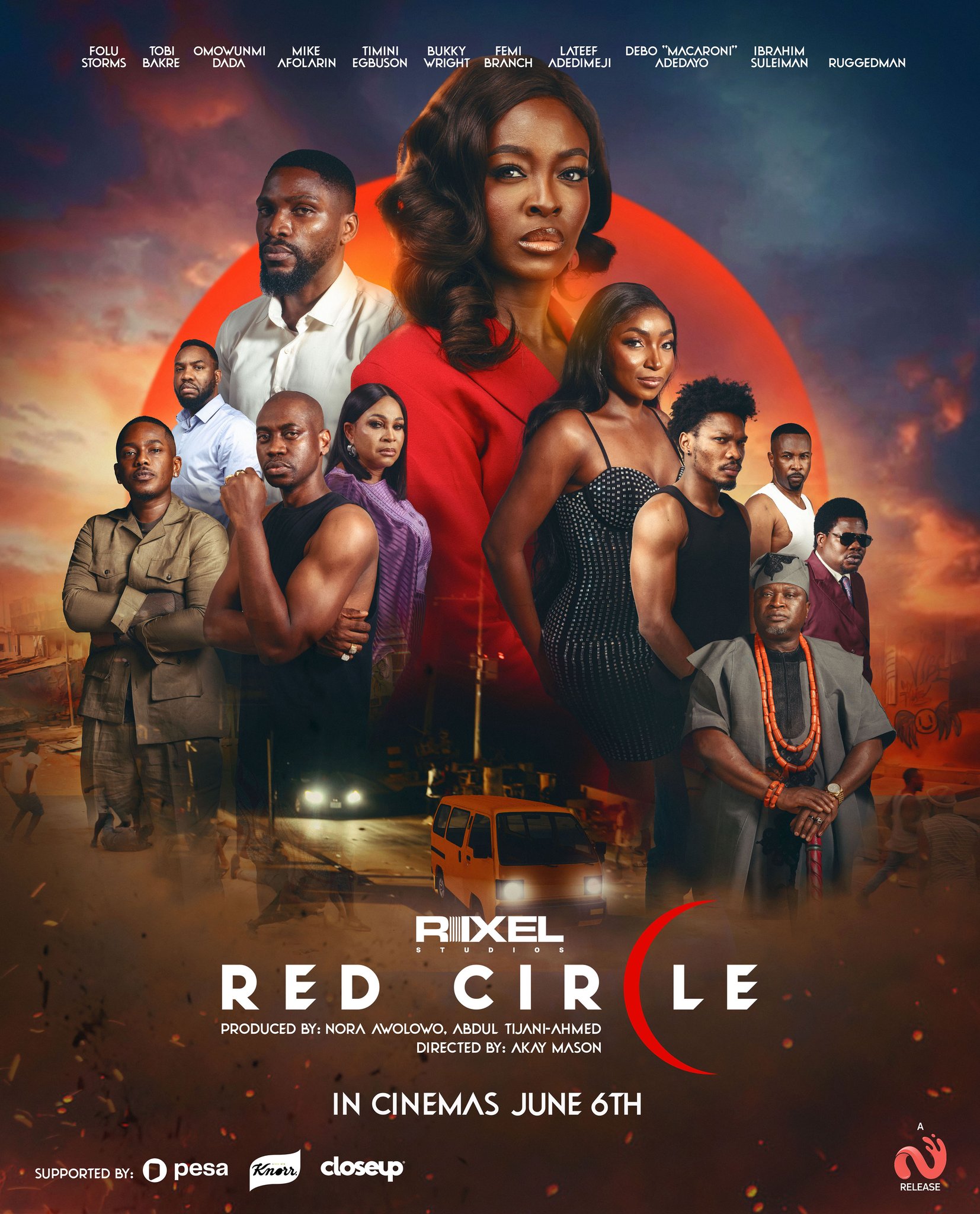
- Red Circle
Red Circle stands out in 2025 as one of Nollywood’s more ambitious attempts at a contemporary crime thriller, tackling corruption, power, and media responsibility with clear intent. Centered on an investigative journalist drawn into the orbit of a dangerous syndicate, the film benefits from a strong ensemble cast and a Lagos setting that feels lived-in and purposeful rather than ornamental. Its themes are timely, and its willingness to interrogate class privilege and institutional rot gives the story weight beyond surface-level suspense.
Where Red Circle truly earns its spot is in its sense of scale and seriousness. The film may not always streamline its many moving parts, but its tension, performances, and visual polish signal a maturing confidence in Nigerian genre filmmaking. It’s the kind of project that values risk over safety, and while that ambition occasionally shows its seams, it ultimately pushes Nollywood thrillers forward rather than repeating what’s already been done.
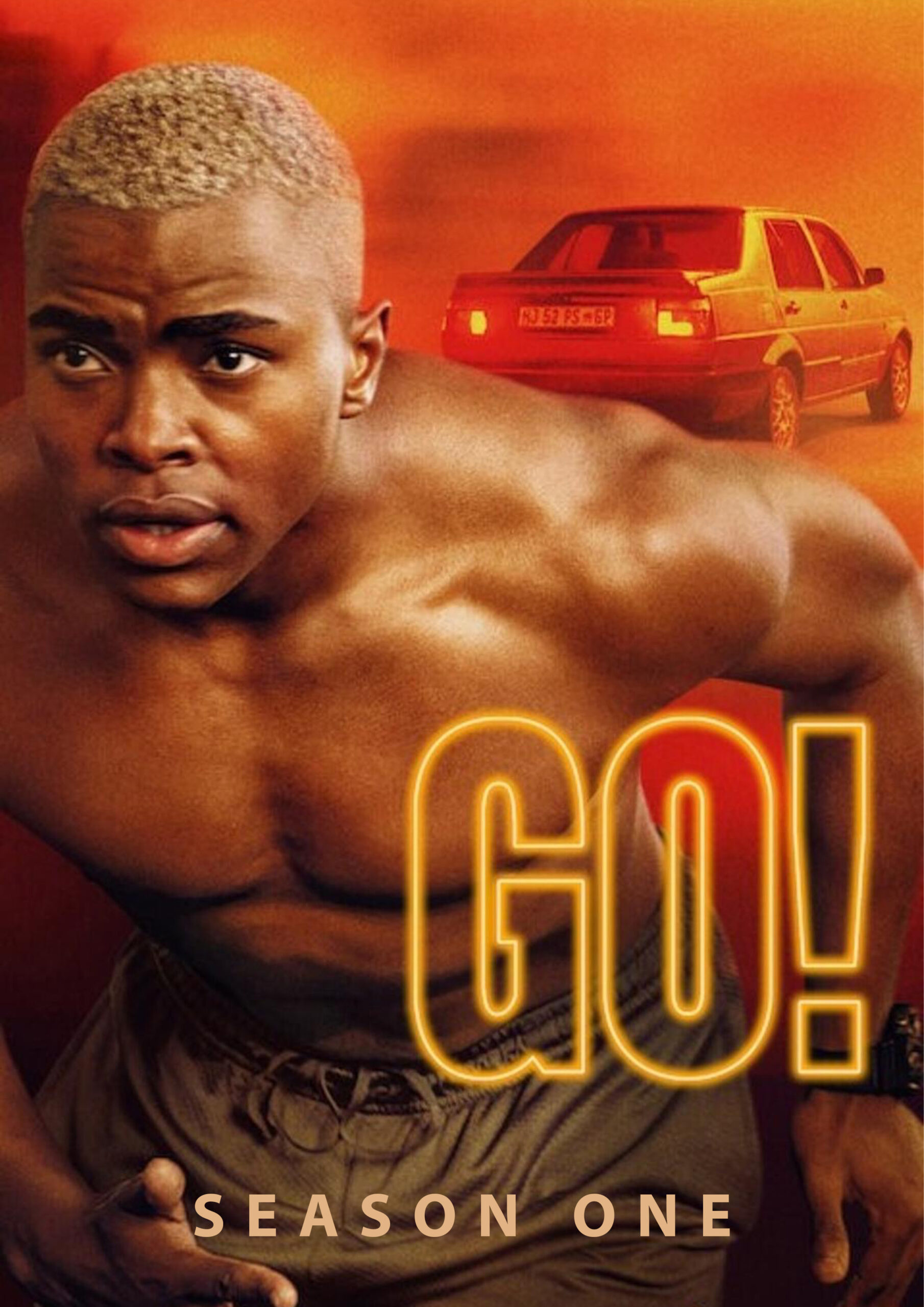
- Go!
Go! arrives on Netflix as one of the year’s freshest drama series, centering on a young runner gifted with extraordinary athletic talent but haunted by personal mistakes as he earns a scholarship and attempts to balance ambition with the weight of his past. The show combines compelling character work with the universal appeal of sports storytelling, drawing viewers into a world where every step toward the finish line doubles as a step toward redemption. Its inclusive, character-driven narrative and clean portrayal of personal growth made it a standout among 2025’s streaming premieres. 
What Go! does exceptionally well is humanize its protagonist’s journey, grounding high-stakes competition in emotional truth. Rather than leaning into melodrama, the series frames conflict through sincerity and nuance, giving space for its cast, led by emerging talent to deliver performances that feel grounded and relatable. While its premise may sound familiar, the execution feels refreshing and heartfelt, turning what could have been a routine sports drama into a story about resilience, community, and the courage to redefine one’s path. Its success on Netflix reflects a growing appetite for African-led series that marry strong production values with uplifting, character-centric storytelling.
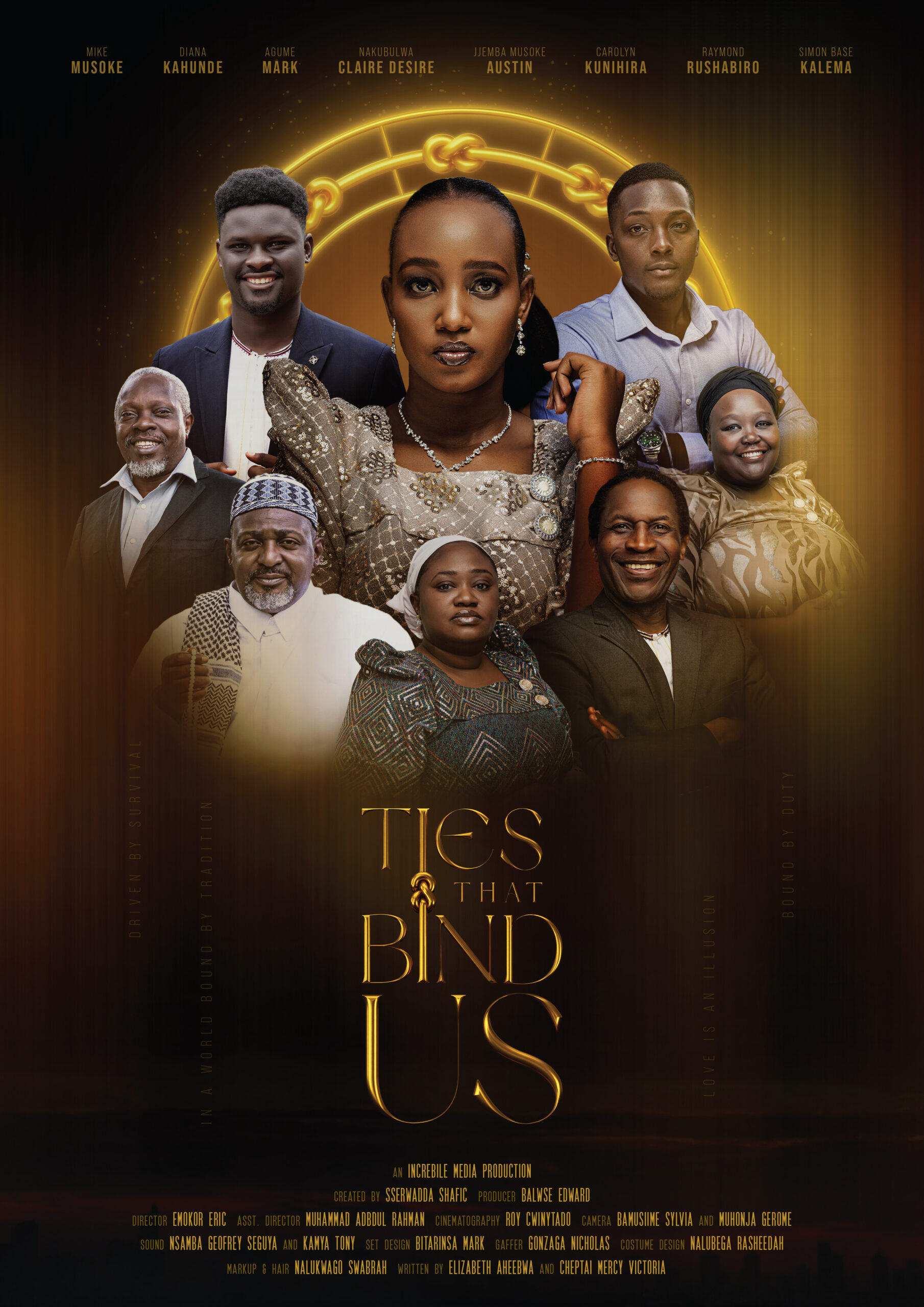
- Ties That Bind Us
Ties That Bind Us has emerged in 2025 as one of Uganda’s most compelling drama series, weaving together family tension, cultural expectations, and youthful ambition with a richness that resonates well beyond its local audience. The story centers on Lillian Lutaaya, a bright young woman returning home from university with love and a degree in hand, only to discover that her family’s expectations and hidden agendas thrust her into a world of conflict between tradition and personal choice. Alongside familial power struggles, the series skillfully blends romance, suspense, and societal pressure, creating a narrative that feels both emotionally layered and broadly engaging. 
The series truly shines in its character depth and relatable themes, from the struggle for autonomy in the face of tradition to the complicated bonds that bind families together. Each episode deepens audience investment with strong performances and evolving relationships, anchored by a cast that brings authenticity to its roles. While the drama at times leans into familiar tropes, it does so with heart and purpose, turning Ties That Bind Us into a standout in Uganda’s rising TV landscape and a series that proves its storytelling weight deserves continental attention.
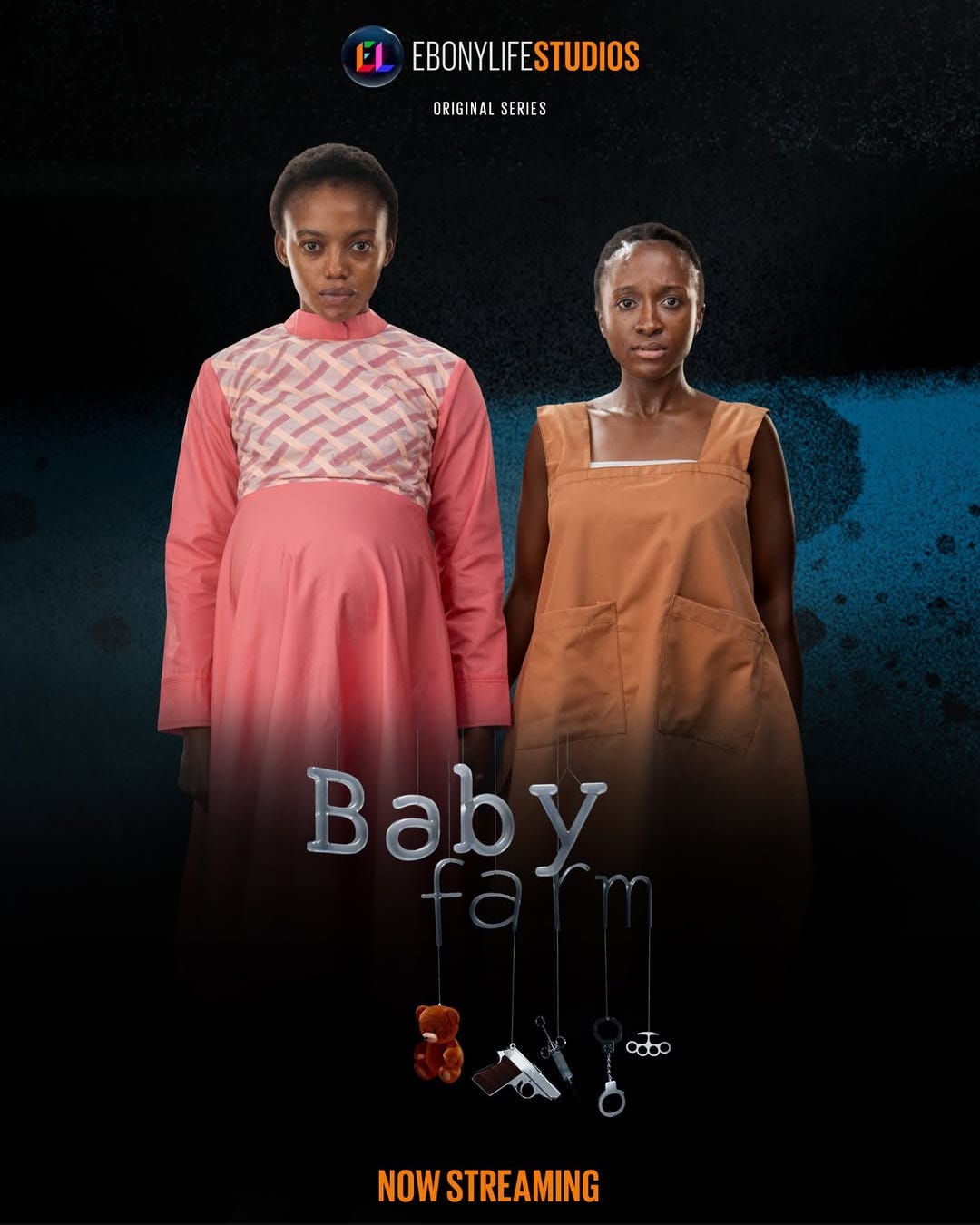
- Baby Farm
Baby Farm is a 2025 Nigerian limited series produced by EbonyLife Studios and released on Netflix that uses the grammar of a thriller to do something more important: shine a light on a real-world crisis often hidden from view. The story follows Adanna, a young pregnant woman lured from her rural community into what appears to be a humanitarian shelter, only to discover she’s trapped in a sinister baby trafficking operation disguised as an NGO. Alongside an ensemble cast that includes Onyinye Odokoro, Genoveva Umeh, Rita Dominic, Joseph Benjamin, Folu Storms, Kiki Omeili, Langley Kirkwood, and Jenny Stead, the series balances gripping tension with deeply human performances.
What makes Baby Farm compelling isn’t just its premise but how fearlessly it commits to that premise. The series doesn’t shy away from the horror at its core, and the cast delivers performances that keep you anchored in the characters’ emotional reality even as the plot grows increasingly dramatic. While the subject matter can be intense, the series earns its impact by treating vulnerable women with empathy and agency and by refusing to sensationalize trauma for cheap thrills. Its narrative focus and strong execution make Baby Farm not just a standout crime drama of 2025 but also a socially resonant piece of storytelling that stays with you long after the last episode ends.
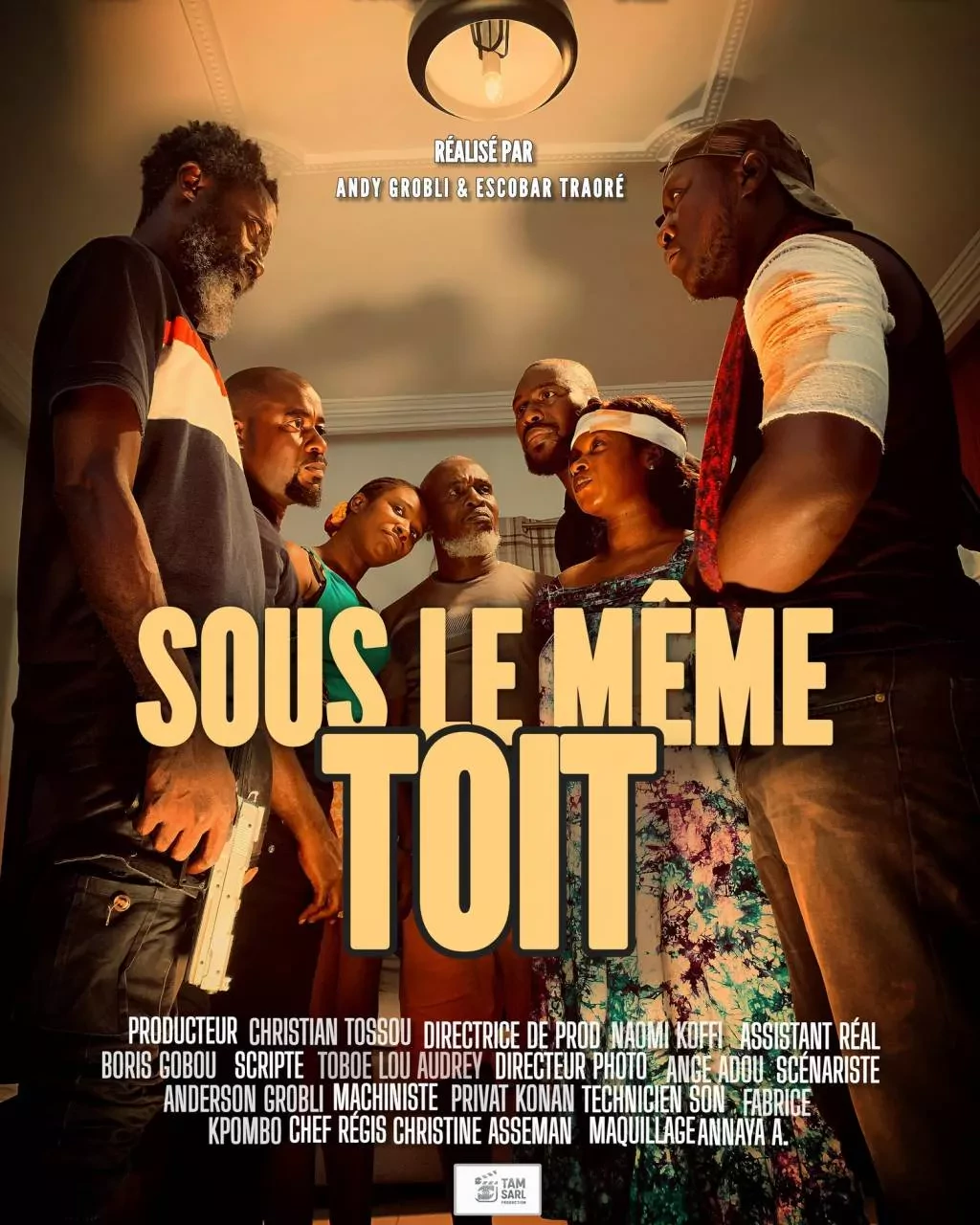
- Sous Le Même Toit
Sous Le Même Toit is a 2025 Ivorian drama directed by Andy Grobli & Escobar Traoré that made a significant emotional impact from its premiere in Abidjan, with sold-out screenings and strong audience reactions. The story follows four young people from different regions who amid political and ethnic tensions in the capital, take refuge in the home of a single father, Kobla. What begins as a simple haven quickly becomes a charged space where mistrust, deep-seated prejudices, and clashing worldviews ignite conflict, forcing each character to confront not only their differences but the larger fractures within society. 
What distinguishes Sous Le Même Toit is its blend of social insight and compelling human drama. Rather than resorting to spectacle, the film keeps you inside the house with its characters, letting their fears, frustrations, and moments of fragile connection unfold with palpable tension. Its narrative doesn’t shy away from tough truths, yet it balances them with empathy, making the experience both thought-provoking and emotionally resonant. This is cinema that invites reflection on shared humanity, on the cost of division, and on the possibility of understanding, and it’s precisely that balance of urgency and heart that earns it a well-deserved place on our 2025 list.
- Broken Hallelujah
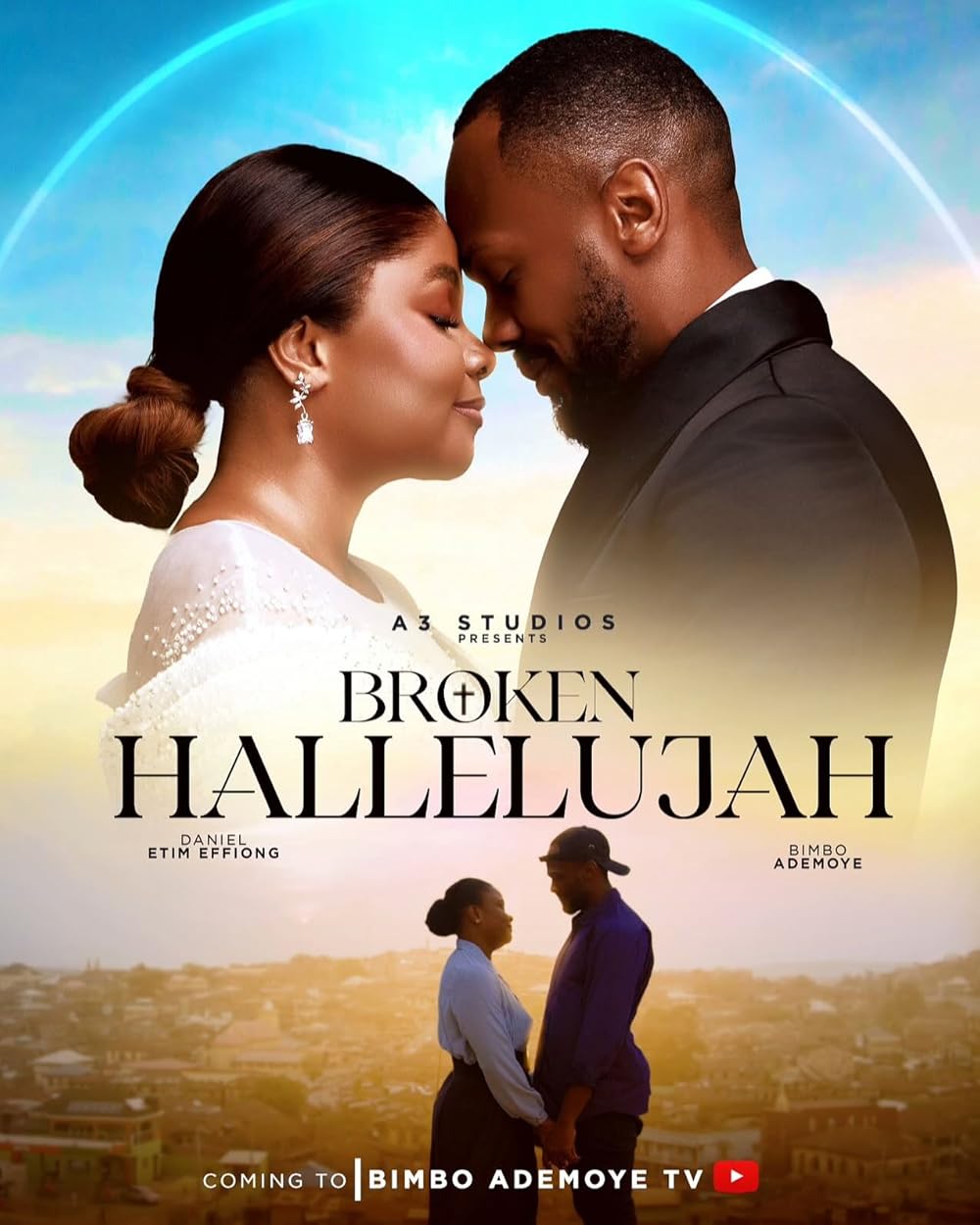
Broken Hallelujah is a 2025 Nollywood drama featuring Bimbo Ademoye opposite Daniel Etim Effiong, telling the heartfelt story of Diya and Okwudili, a Christian couple navigating years of longing, faith, and emotional resilience as they grapple with infertility, patience, and the meaning of love in the face of deep personal trials. The film’s title itself, a “broken hallelujah” reflects its core: praise and hope that persists even when life doesn’t unfold exactly as dreamed. Its narrative anchors itself in sincere performances and a message that elevates faith, partnership, and perseverance amidst life’s toughest seasons. 
Where Broken Hallelujah truly shines is in its emotional depth and thematic commitment, this is a film that invites viewers to sit with longing rather than rush past it, making its quieter moments resonate with sincerity. Ademoye’s performance feels grounded and sincere, and the story’s focus on enduring love and shared spiritual strength gives it a distinctive emotional beat that sets it apart from lighter fare. While its pacing occasionally lingers and some arcs follow familiar territory, the film’s heart is unmistakably in the right place inviting reflection on love, faith, and hope in a world where miracles often arrive in unexpected ways.
- Last Stop
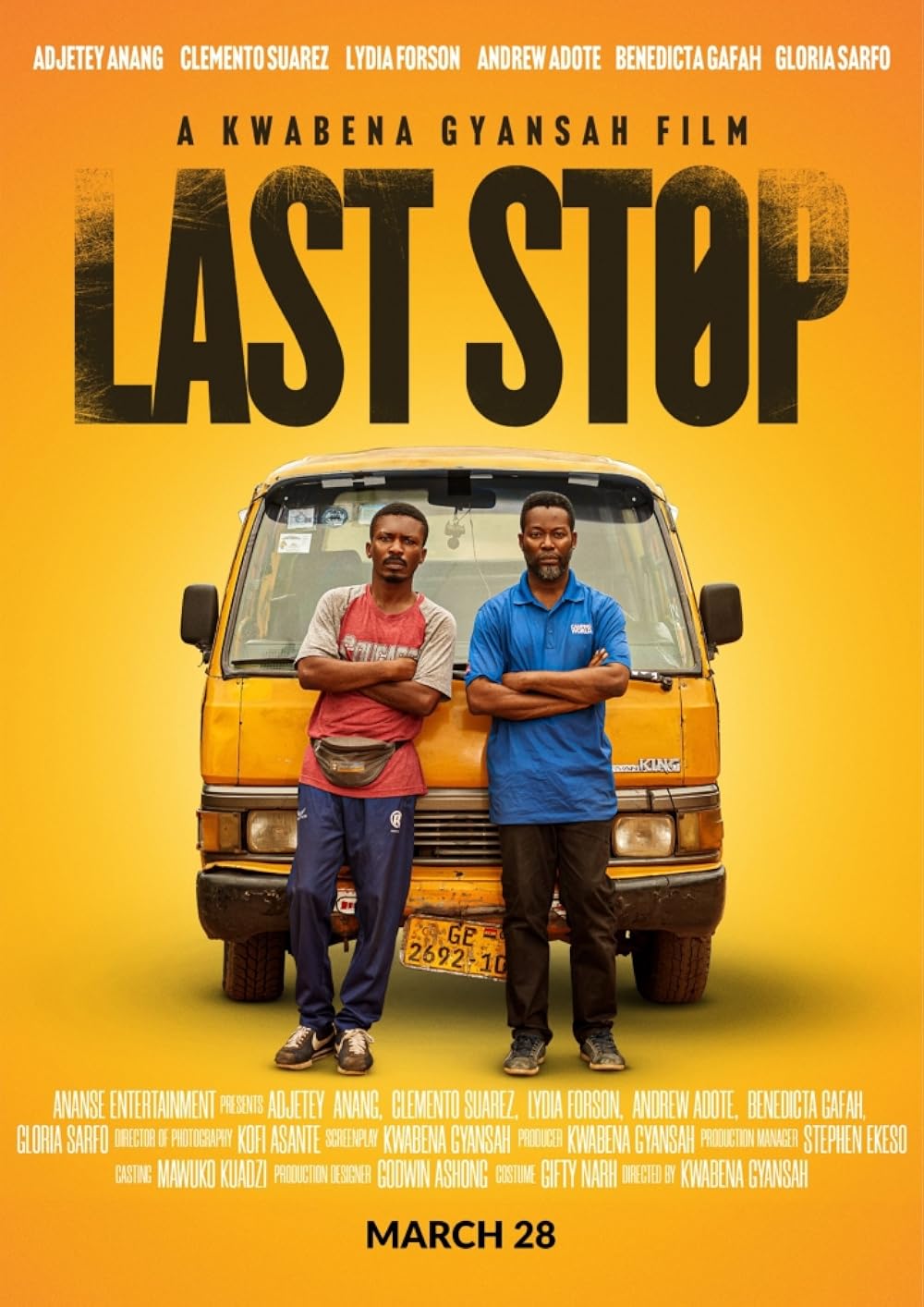
Last Stop is a 2025 Ghanaian thriller directed by Kwabena Gyansah that premiered in cinemas on March 28, 2025, anchoring itself as one of the year’s most anticipated Ghanaian releases. The story follows Nii, a hardworking trotro (commuter bus) driver, and his buddy Kwame, whose decision to sell a passenger’s lost phone inadvertently drags them into a dangerous web of betrayal, greed, and escalating stakes. With a strong ensemble cast that includes Adjetey Anang, Clemento Suarez, Lydia Forson, Gloria Sarfo, Fred Amugi, and others, the film blends suspense, humour, and character-driven drama against an authentic Ghanaian backdrop. 
What makes Last Stop especially compelling is its balance of thrills and heart. The narrative keeps you engaged with twists that feel grounded in real-world choices, while clever injections of humour (particularly from Suarez’s charismatic presence) prevent the tension from ever feeling overwhelming. The cast delivers performances that are both believable and engaging, with Forson’s fierce energy and Anang’s nuanced turn adding emotional weight. Although the climax occasionally feels more measured than explosive, the film’s thoughtful exploration of consequence, loyalty, and redemption, combined with polished cinematography and strong crowd engagement, marks Last Stop as a confident and entertaining addition to Ghana’s cinematic landscape, one that signals the industry’s growing ambition and creative maturity.
- What’s Left of Us
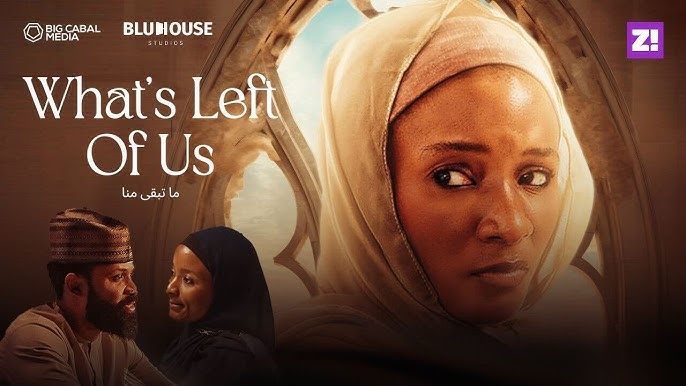
What’s Left of Us is one of the standout films in the Zikoko Life anthology, a 2025 YouTube series from Big Cabal Media and BluHouse Studios that brings deeply personal, women-centred stories to the screen with honesty and nuance. Written by Victor Daniel and directed alongside Olamide Adio, this chapter follows Mariam, a married woman whose decision to stop having children upends not only her role in her marriage but the expectations placed on her by family and society. Its inclusion on YouTube has made it widely accessible and sparked meaningful conversations about autonomy, identity, and emotional labour. 
In contrast to conventional web content, What’s Left of Us distinguishes itself with emotional precision and cultural specificity, transforming everyday tensions into compelling drama. The film’s strength lies in how it frames its central choice about body, life, and future. Not as spectacle but as deeply human struggle, anchored by sincere performances that translate lived experiences into real empathy. Its reception, evidenced by strong audience engagement and high view counts, shows that authentic storytelling thrives even outside traditional cinema or streaming platforms. What’s Left of Us is a signal that African digital series can be both moving and socially resonant, setting a new standard for online narrative work.
- Bobo
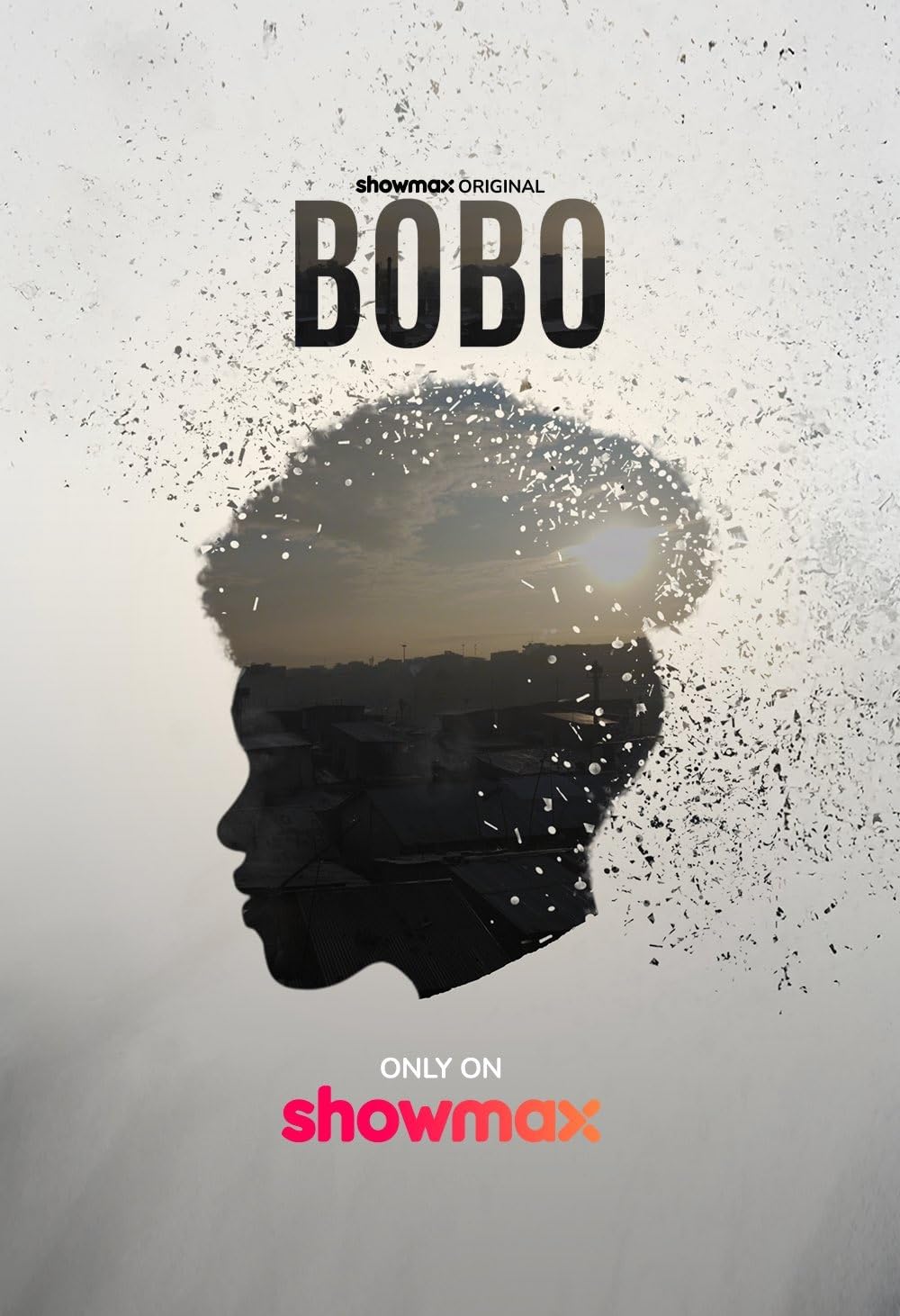
Bobo is a 2025 Kenyan drama that premiered on Showmax after its selection for the Joburg Film Festival, marking a promising directorial debut from Maurice Muendo and introducing Faith Muthoni as the resilient title character. Set in the Mathare Valley of Nairobi, the film follows Bobo, a young woman determined to rise above financial hardship, family obligation, and societal constraint as she pursues her dream of a better life while navigating the threat of losing her family’s land to a loan shark. Its grounded portrayal of ambition and adversity anchors the drama in real-world stakes that feel immediate and sincere. 
What makes Bobo especially noteworthy in 2025 isn’t just its compelling central performance but its authentic storytelling and emotional resonance. Though it wears its intentions clearly, the film earns its impact through earnest character work and a narrative that champions resilience without losing sight of nuance. Bobo’s journey becomes more than a personal quest, it reflects the hopes of many young people striving against the odds, and the film’s balance of tension, heart, and social insight positions it as one of the year’s most affecting African streaming originals.
- To Kill A Monkey
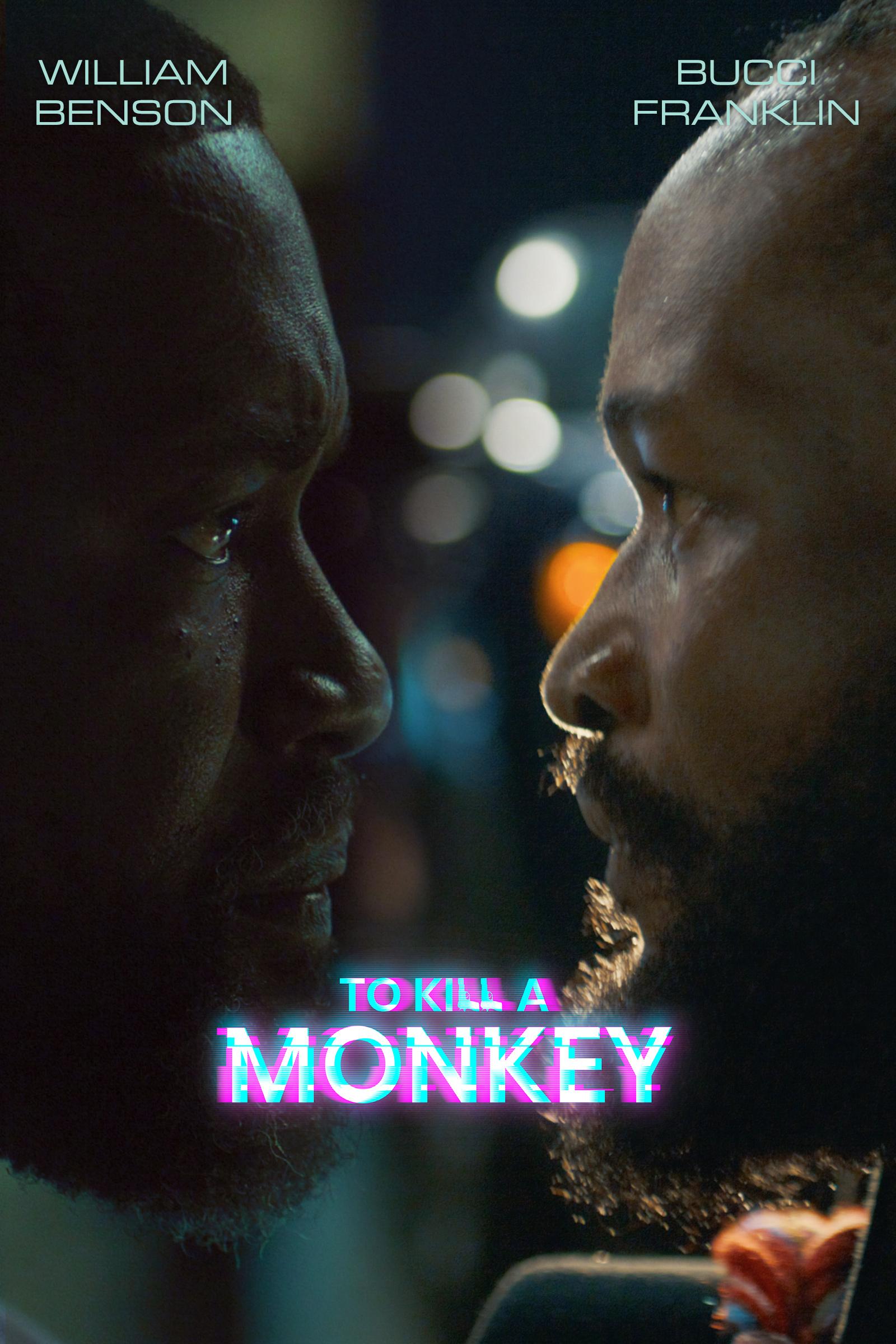
To Kill a Monkey is a bold 2025 Nigerian crime thriller series created, written, and directed by Kemi Adetiba that premiered on Netflix on July 18, quickly becoming one of the most talked-about Nigerian originals of the year. Anchored by a strong ensemble, including William Benson as Efemini “Efe,” Bucci Franklin as Oboz, Stella Damasus, Bimbo Akintola, and Ireti Doyle. The story follows a struggling family man pulled into the dangerous world of cybercrime by an old friend, forcing him to confront moral compromises that challenge both his identity and survival in modern Lagos. Its visual polish and thematic weight mark it as a standout Nigerian thriller series that pushes beyond conventional Nollywood beats. 
What sets To Kill a Monkey apart is its willingness to explore gritty, complex themes with depth and texture. The series doesn’t shy away from the moral ambiguity of its protagonist’s choices, and many viewers have praised its production quality, immersive atmosphere, and compelling performances, particularly from its leads. While some aspects of the pacing and plot structure feel ambitious and occasionally diffuse, the emotional core remains resonant, showcasing Adetiba’s evolving storytelling sensibility and her commitment to pushing Nigerian thrillers into more reflective, character-driven territory. Its impact on Netflix’s charts and cultural conversation underscores that To Kill a Monkey is more than entertainment: it’s a series that stays with you and reflects the complexity of ambition, desperation, and choice.
- 3 Cold Dishes
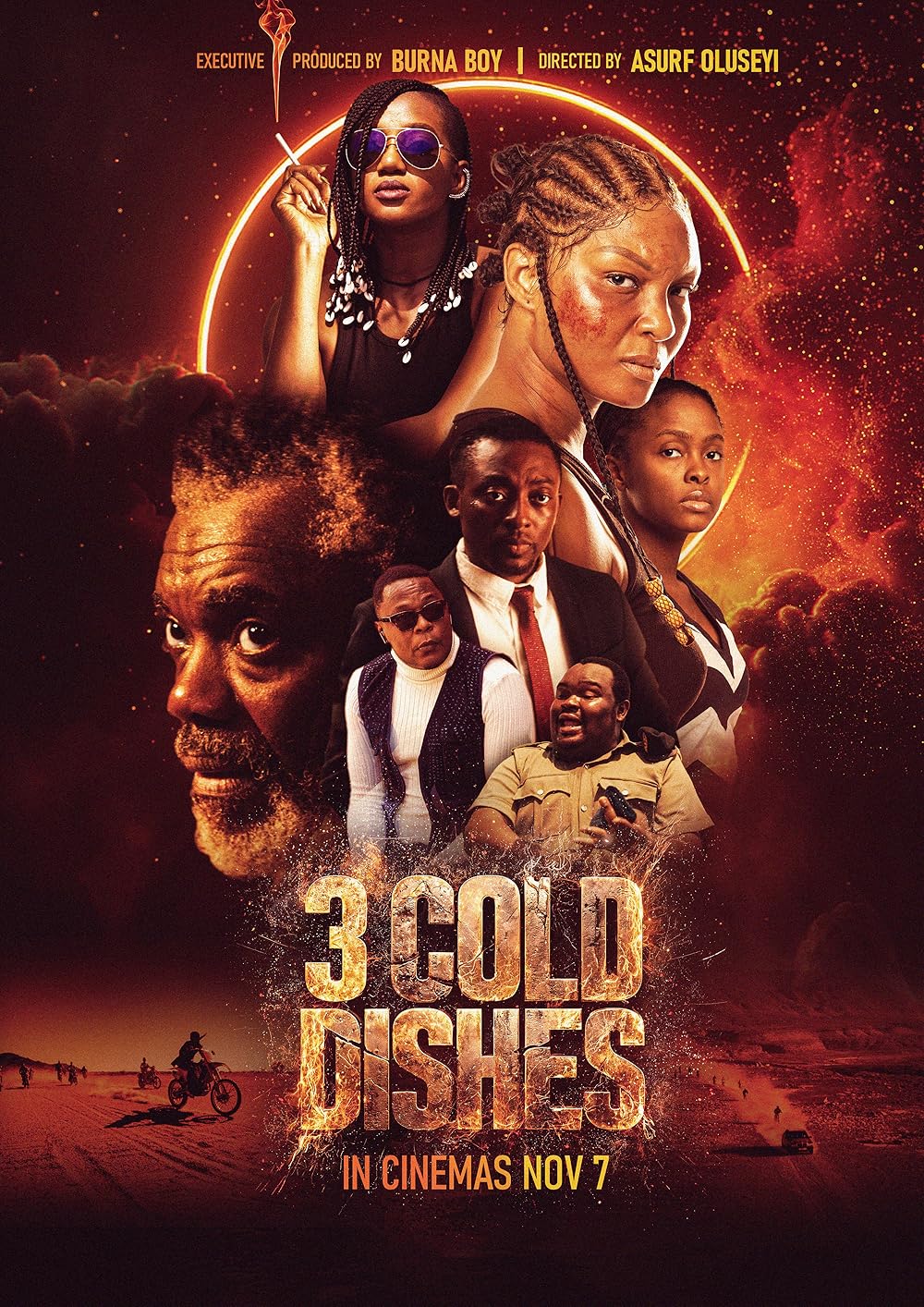
3 Cold Dishes is a bold, pan-African thriller from 2025 that unites three women from Nigeria, Côte d’Ivoire, and Benin who were trafficked as teenagers and, two decades later, reunite to execute a meticulously planned mission against the men who destroyed their lives. Directed by Oluseyi Asurf, written by Tomi Adesina, and executive produced by cultural icon Burna Boy, the film spans multiple West African locales and languages, giving it a truly continental scope and ambition that few regional films attempt. Its story of survival, sisterhood, and justice resonates with urgency and emotional weight, turning a revenge narrative into a layered exploration of identity, resilience, and reclamation. 
What makes 3 Cold Dishes especially exciting in 2025’s cinematic landscape is its scale and visual confidence, moving fluidly across countries and genres while anchoring its emotional core in the powerful bond between its protagonists. Yes, it’s a revenge thriller at heart, but its thematic depth elevates it beyond spectacle: these women are not defined by their trauma but by how they rise above it. The film’s ambitious approach to storytelling and its willingness to tackle a serious issue head-on point to a new stride in African genre filmmaking, one that demands attention for both its heart and its cinematic breadth.
- Bad Influencer
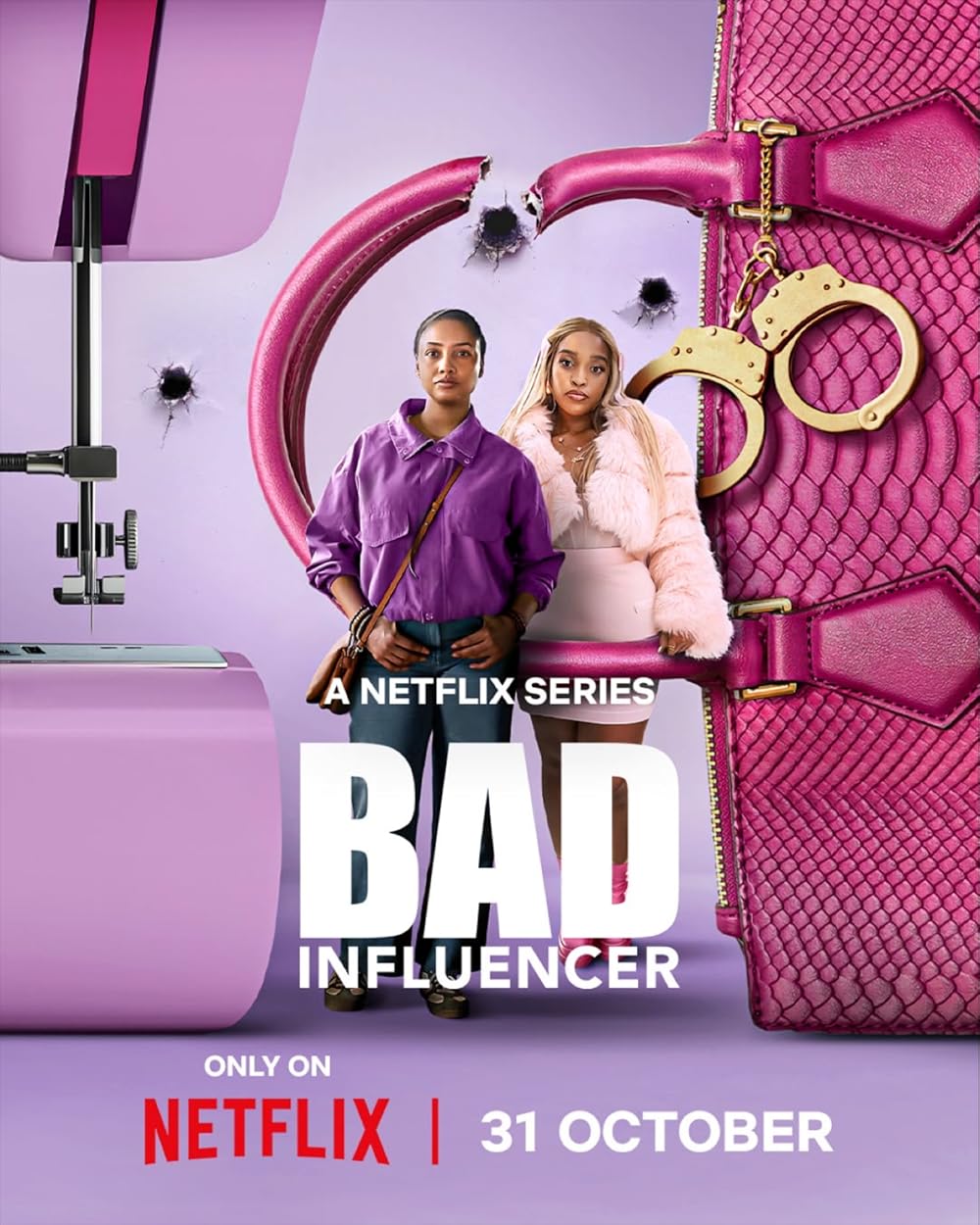
Bad Influencer is a standout 2025 South African crime-drama series created by Kudi Maradzika for Netflix that has captivated audiences with its bold blend of hustle culture satire and authentic character drama. Set in Johannesburg, the story follows BK, a resilient single mother and fashion counterfeiter who teams up with Pinky, an ambitious social media personality, to sell counterfeit luxury handbags and fight their way out of financial pressure, a pairing that turns chaos into opportunity. The series is anchored by strong performances from Jo-Anne Reyneke and Cindy Mahlangu, whose chemistry brings real depth and humour to a narrative that could easily have become stereotyped. 
What makes Bad Influencer compelling is its smart balance of style, character, and cultural commentary. The show uses its crime-tinged premise not just for thrills but to explore the collision between digital fame and real-world survival with wit, heart, and visual polish. BK’s determination to support her family gives the plot genuine emotional stakes, while the series’ sharp take on influencer culture feels fresh and relevant. Though it plays with familiar tropes, the storytelling feels confident and engaging, and its strong viewership on Netflix (including topping charts in multiple regions) underscores its resonance. Bad Influencer is both entertaining and thoughtful, marking it as one of 2025’s most exciting African originals on a global streaming platform.
- God’s Wife
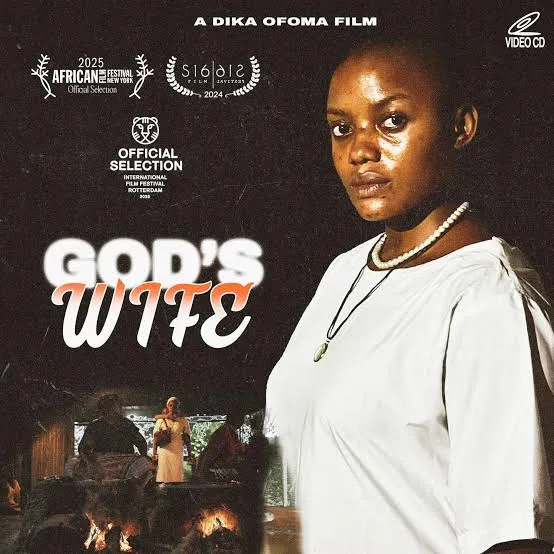
God’s Wife is a powerful 2025 short film from Nigerian filmmaker Dika Ofoma that has gained attention on the festival circuit, including screenings at the International Film Festival Rotterdam (IFFR) and the New York African Film Festival, for its strikingly intimate storytelling and visual discipline. The story centers on Nkiruka, a widow whose deep Catholic faith is tested when her late husband’s brother pressures her into marriage, a conflict that exposes the complex intersections of tradition, religion, and personal agency in the context of southeast Nigerian customs.
What makes God’s Wife especially compelling is its meditative approach and emotional precision. In just its brief runtime, the film uses silence, texture, and performance (especially from Onyinye Odokoro) to create a deeply affecting portrait of resilience and inner conflict that lingers long after the credits roll. Rather than dramatizing its subject for shock value, it trusts the audience with patience and reflection, blending religious symbolism with cultural critique in a way that feels both grounded and resonant. Its international festival recognition speaks to a confident artistic voice emerging from Nigeria’s short-form filmmaking scene.
- Marked
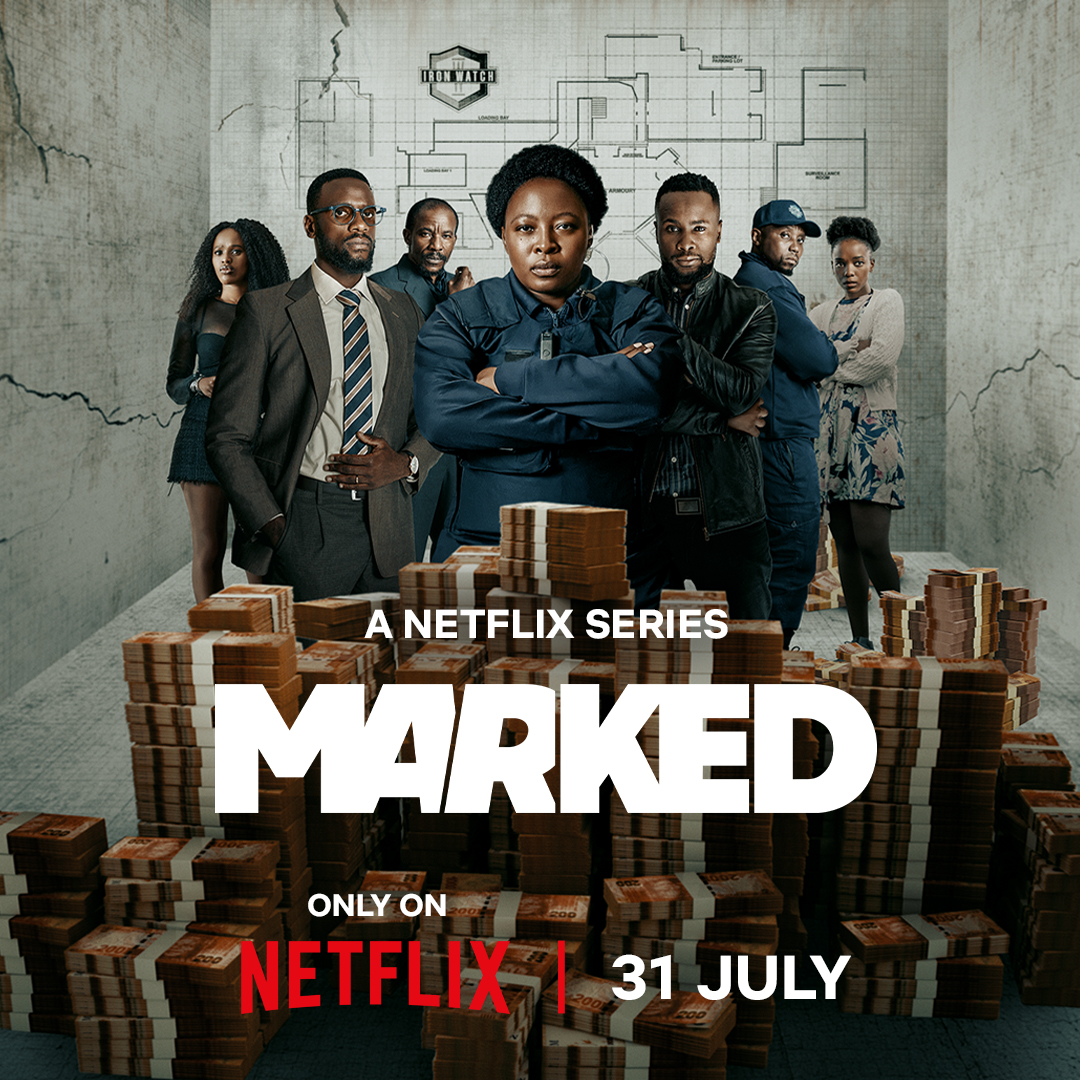
Marked is a 2025 South African crime-thriller series on Netflix that pushes the boundaries of the heist genre by centering its story on Babalwa, a devoted mother and former police officer driven by love and desperation when her daughter’s life-saving surgery comes with an impossible price tag. Faced with institutional indifference and soaring medical costs, Babalwa makes the hard choice to enter the criminal world she once fought against, staging a high-stakes heist that forces her to reckon not just with danger, but with her own sense of morality and identity. The series features a strong ensemble cast led by Lerato Mvelase, and weaves gripping personal stakes with social tension in a way that feels immediate and human. 
Where Marked truly shines is in its empathetic character focus and narrative ambition. Rather than settling for standard crime drama thrills alone, it uses Babalwa’s journey to explore what it means to fight for family in a world that often fails its most vulnerable, a thematic depth that elevates the series beyond typical action-led fare. Its blend of suspense, rich character work, and South African societal texture gives it a distinctly grounded feel, while also achieving strong international streaming presence and compelling conversations among viewers about faith, sacrifice, and survival.
- The Heart is a Muscle
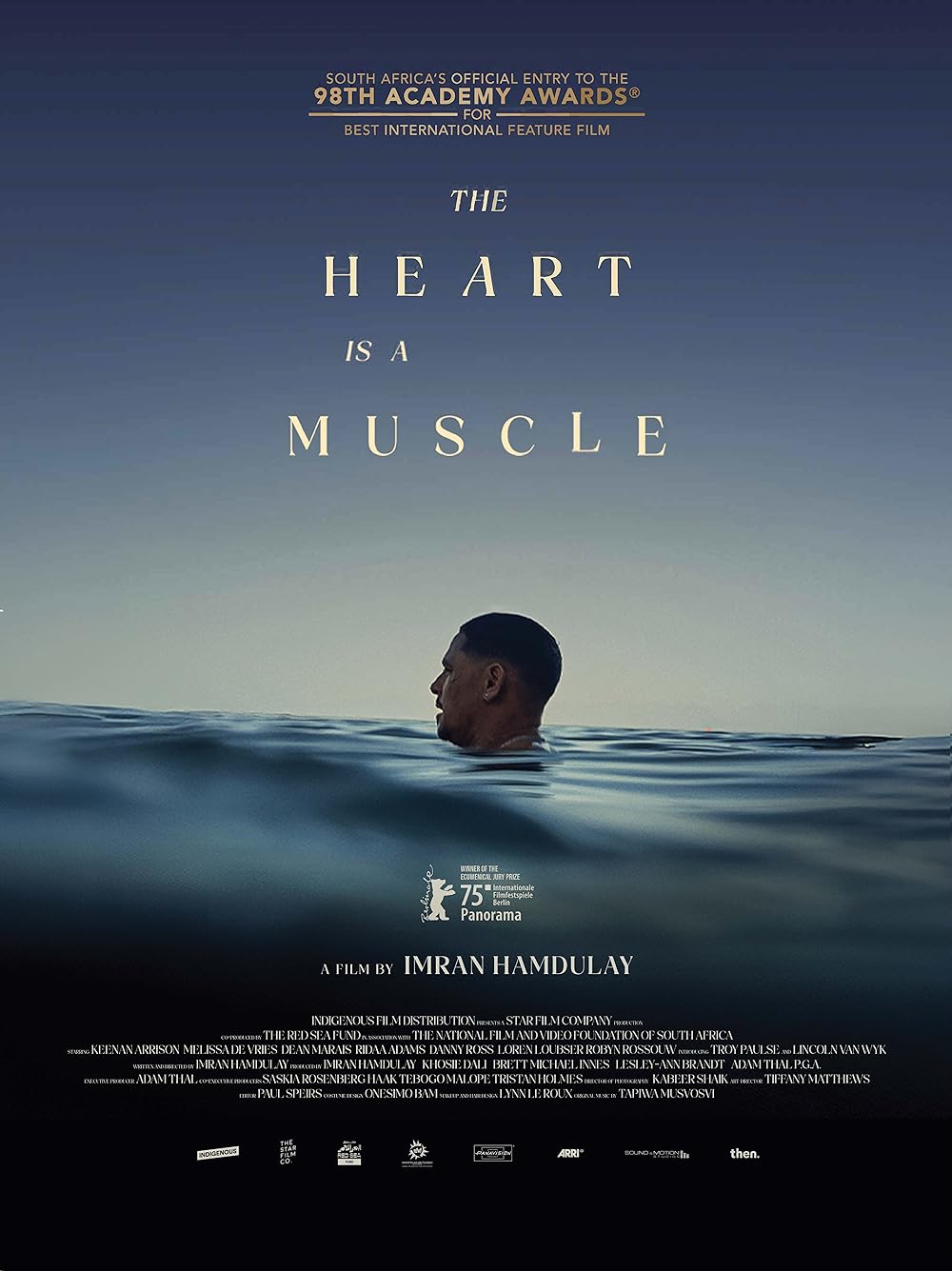
The Heart Is a Muscle is a quietly powerful 2025 South African crime-drama film, the feature debut from writer-director Imran Hamdulay that premiered in the Panorama section of the Berlin International Film Festival, where it won the Ecumenical Jury Prize and went on to screen at festivals worldwide. The story centers on Ryan, a Cape Town father whose world is shaken when his young son briefly goes missing at a birthday barbecue, setting off a profound journey of self-examination, healing, and reconciliation with his own violent past. Its rich performances, especially from Keenan Arrison and Melissa De Vries, anchor a narrative that thoughtfully navigates masculinity and intergenerational trauma. 
What makes The Heart Is a Muscle stand out in 2025 is its humanist depth and emotional intelligence: rather than leaning on genre conventions alone, the film uses its tense premise to explore forgiveness, identity, and the courage required to break cycles of hurt. Cinematography and production design bring Cape Town’s communities to life with texture and nuance, while the screenplay balances tension with introspection, offering moments of real empathy that resonate long after the story ends. Its selection as South Africa’s official submission for Best International Feature Film at the Oscars underscores the film’s artistic ambition and its ability to connect with audiences both locally and globally.
- Katanga: The Dance of The Scorpions
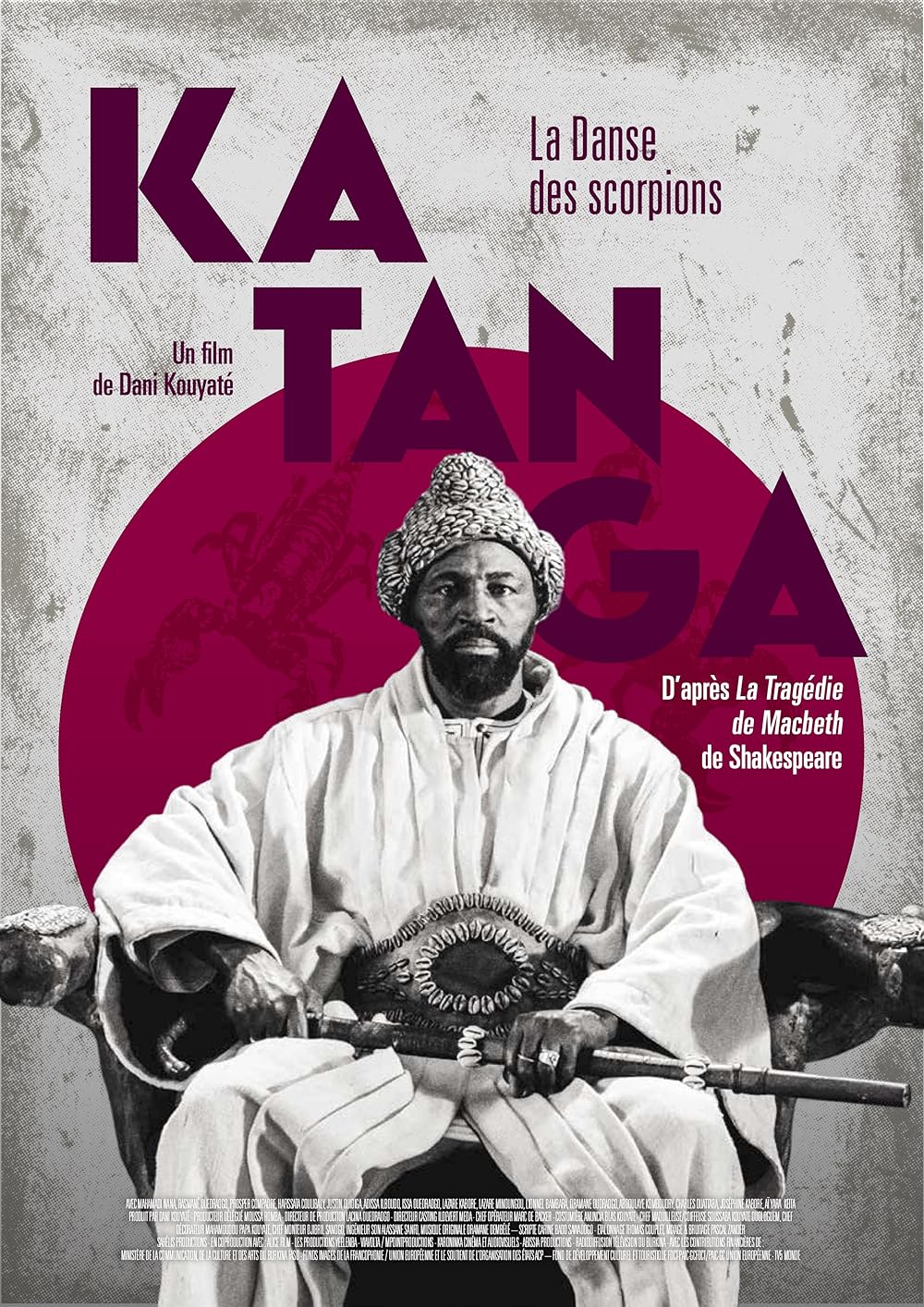
Katanga: Dance of the Scorpions is one of 2025’s most ambitiously crafted African films, a Burkina Faso-born reimagining of Shakespeare’s Macbeth by acclaimed director Dani Kouyaté. Set in the mythical kingdom of Ganzurgu and shot in striking black and white with dialogue in Mooré and English subtitles, the film follows Katanga, a loyal general whose destiny is thrust into turmoil by prophecy, ambition, and betrayal, driving him from respected warrior to a man consumed by power and its consequences. This adaptation feels both timeless and fiercely rooted in African storytelling traditions, blending mythic depth with compelling political intrigue. 
What elevates Katanga: Dance of the Scorpions above many adaptations is its commitment to cultural specificity and cinematic boldness. Kouyaté transforms Shakespeare’s universal themes into a narrative that resonates uniquely on the continent, with intense performances and a visual palette that feels at once classic and urgent. The film’s mastery was recognized at the 2025 FESPACO, where it won the Étalon d’Or de Yennenga and the Prix du Public, underscoring both critical and audience acclaim across Africa. Its strong showing in the Africa Movie Academy Awards nominations further affirms its artistic and technical achievements on the continental stage. 
Katanga is a cinematic tour de force. A richly layered, thought-provoking exploration of ambition and loyalty that announces itself as one of the defining African films of 2025.
- The Herd
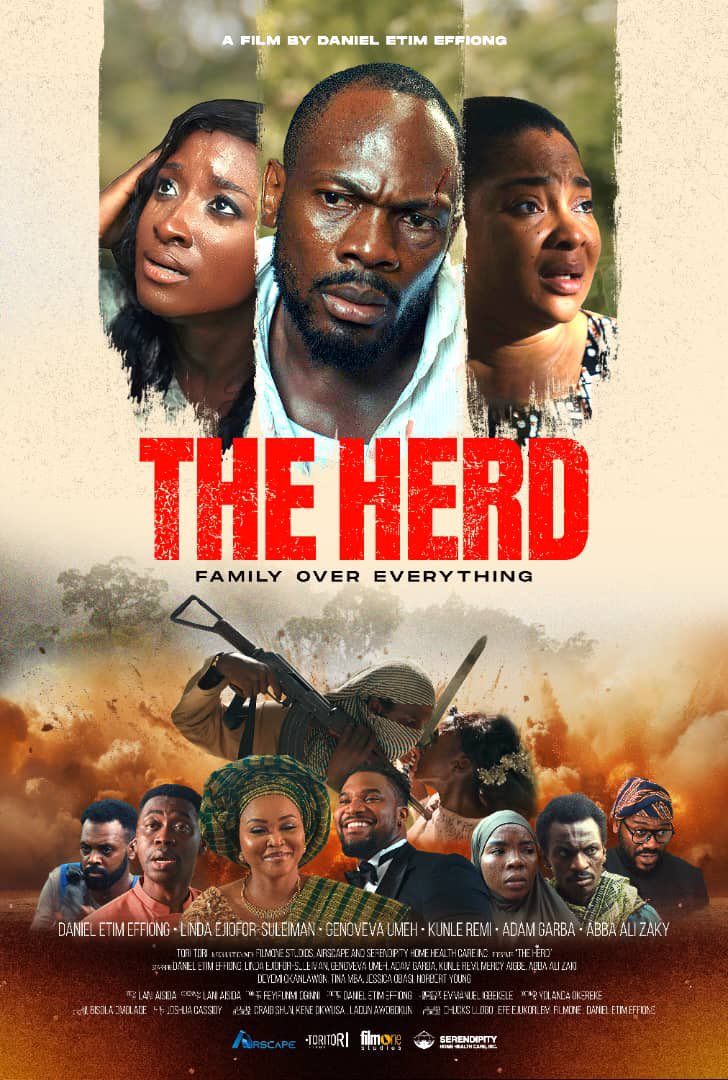
The Herd, the 2025 crime-thriller marking Daniel Etim-Effiong’s directorial debut is one of Nollywood’s most powerful and timely films of the year. Opening theatrically on October 17 and later streaming on Netflix, the movie stars Etim-Effiong alongside Genoveva Umeh, Kunle Remi, Deyemi Okanlawon, Linda Ejiofor, Mercy Aigbe and an impressive ensemble cast that breathes life into a harrowing narrative about survival, loyalty, and the fragility of trust. The story begins as a joyful wedding convoy devolves into a terror-filled kidnapping by gunmen disguised as herdsmen, transforming celebration into a pulse-pounding fight for survival. 
What makes The Herd exceptional is how it channels real-world anxieties into gripping cinema without losing emotional core. The film makes its viewers feel the tension in every frame, grounding its thrills in deeply human stakes. Performances from both established and breakout actors are strikingly nuanced, with several cast members earning widespread praise for bringing depth to roles that could have easily fallen into caricature. Moreover, the film’s strong box-office showing and cultural resonance underscore its impact: it not only entertained audiences but spurred conversation about societal fears and communal resilience, making The Herd one of 2025’s most resonant and compelling Nigerian films.
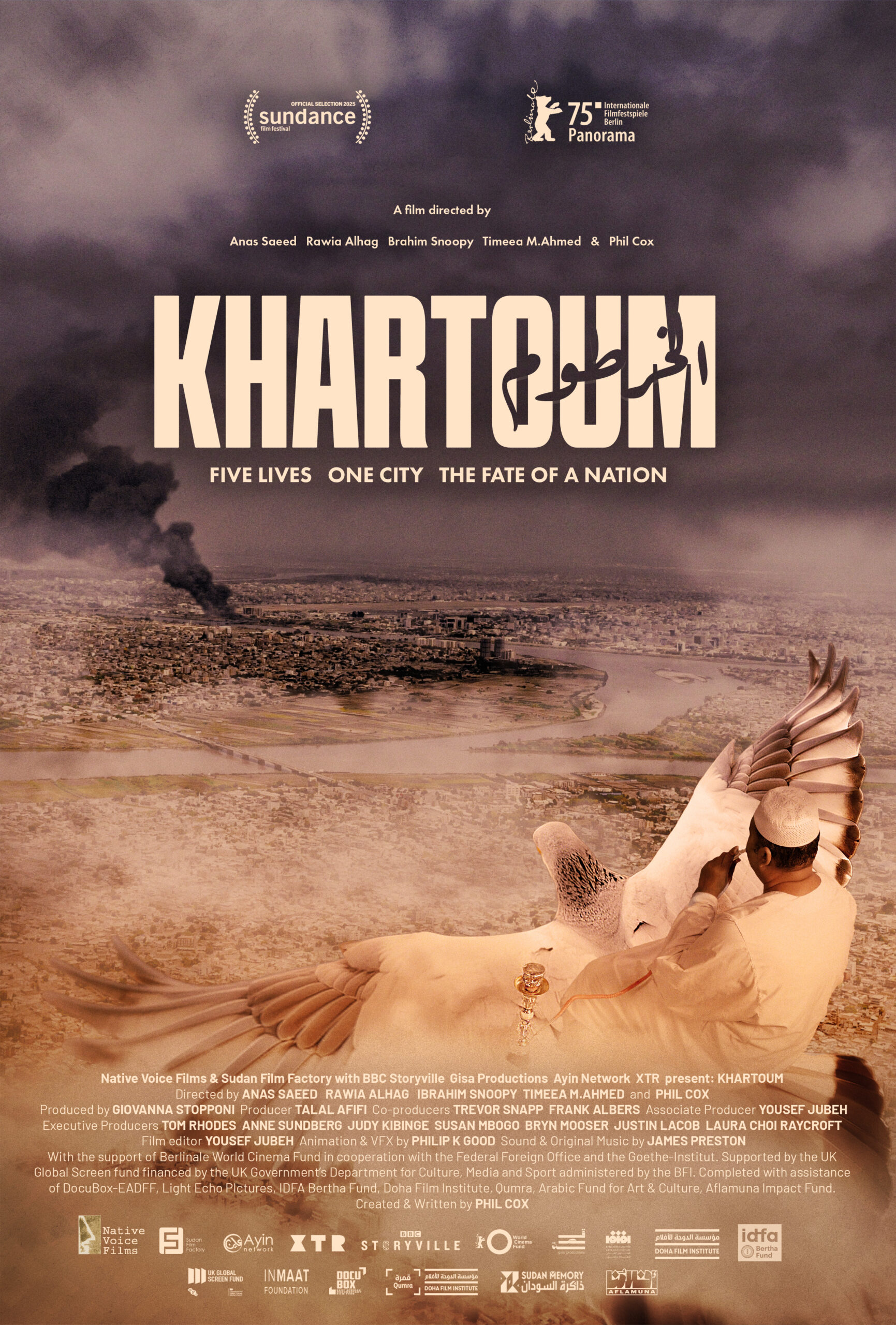
- Khartoum
Khartoum is one of the most artfully ambitious and essential African films of 2025, a hybrid documentary co-directed by Anas Saeed, Rawia Alhag, Ibrahim “Snoopy” Ahmad, Timeea Mohamed Ahmed, and Phil Cox that quietly became a festival phenomenon. Crafted amid the outbreak of civil war in Sudan, it follows five ordinary residents, from a civil servant and tea vendor to a resistance volunteer and two street boys whose lives, dreams, and search for freedom are woven into a vivid tapestry of resilience, hope, and survival in the face of unimaginable upheaval. The film premiered in the World Documentary Competition at Sundance and screened in the Panorama section at the Berlin International Film Festival, where it garnered significant acclaim and the Peace Film Prize for its empathetic portrayal of humanity in crisis. 
What elevates Khartoum above typical documentary fare is its formal inventiveness and emotional depth. Faced with the impossible reality of war and displacement, the filmmakers transform their project into a living testament using a blend of vérité, reenactments, animation, and immersive green-screen sequences, to give voice not just to the events themselves but to the internal worlds of its participants, where memory, loss, and longing intersect. This hybrid approach yields moments of raw intimacy and lyrical beauty, turning even everyday gestures into poetry and reminding audiences why cinema remains such a powerful tool for bearing witness. Its resonance across international festivals, including Sundance, Berlinale, Vancouver, and BFI London, underscores Khartoum as not only a triumph of storytelling but a defining cinematic achievement of 2025 that speaks to resilience, shared humanity, and the enduring power of hope.
Taken together, Top Charts Africa’s 25 of 25 reflects a year in which African film and television refused to play small. From intimate digital stories and fearless short films to sweeping epics, prestige dramas, and globally resonant documentaries, 2025 proved that African storytelling is no longer defined by format, budget, or platform. It is only defined by intent. These works confronted power, faith, love, trauma, ambition, and survival with growing confidence, technical maturity, and cultural specificity, meeting audiences where they are while still daring to push them further.
What stands out most is not just the quality of individual titles, but the range: stories told in multiple languages, across borders, and through vastly different creative lenses, all contributing to a shared cinematic moment. As African filmmakers continue to command international stages while deepening local relevance, this list serves as both a snapshot and a signal of an industry in motion, artists in command of their voices, and a future that feels not just promising, but inevitable.