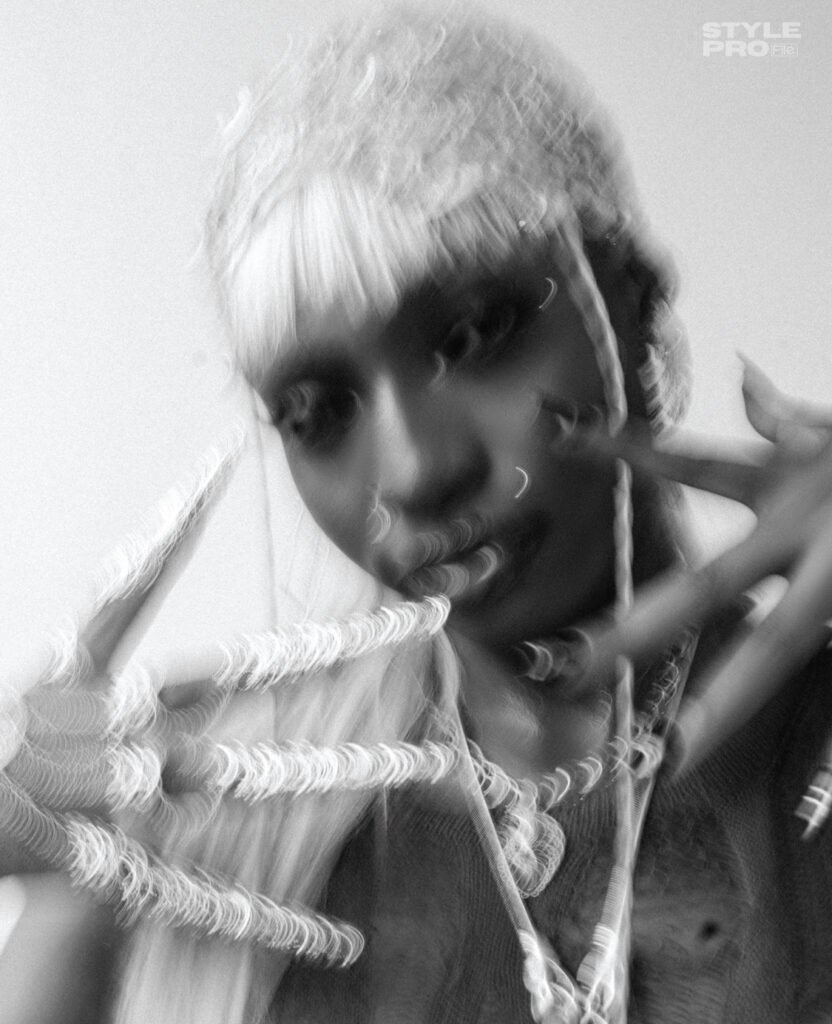
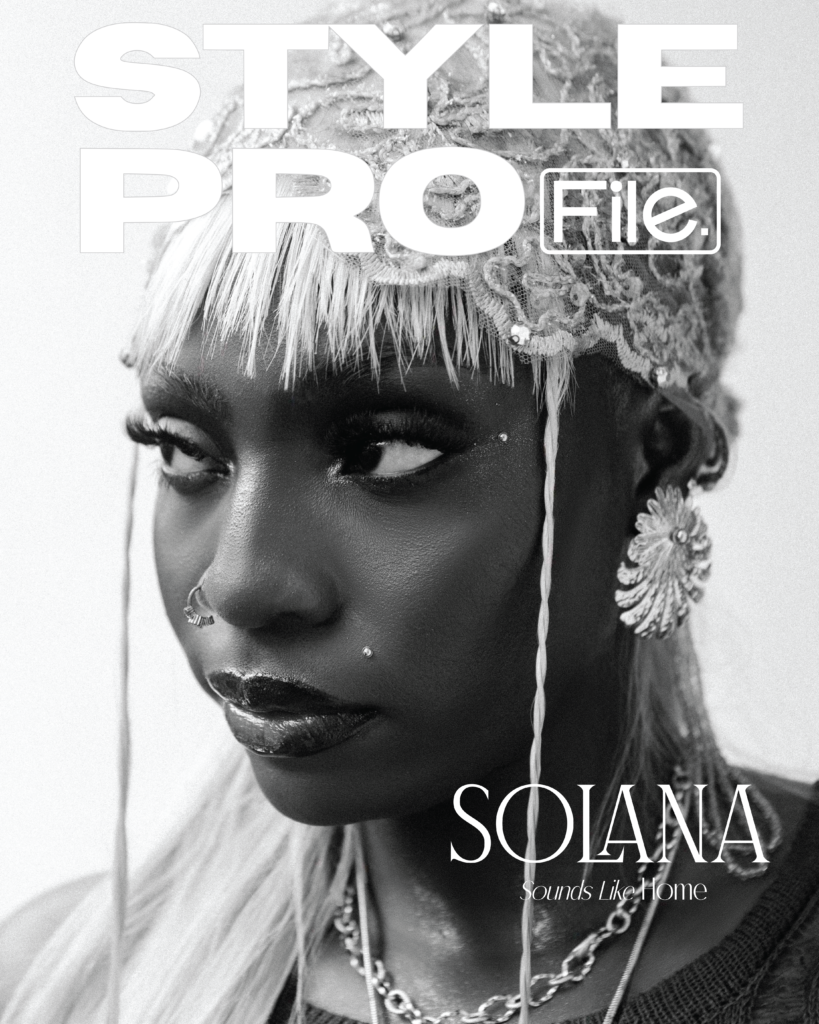
I remember the afternoon I came across Solana.I was doing what most of us do when we have a few minutes to waste, scrolling endlessly until something broke the rhythm. I call it an encounter because several things caught my attention at once.
The first was her style.She wore a bright yellow two-piece, layered with cowry beads that immediately reminded me of old Yoruba imagery. It wasn’t styled to shock or to chase nostalgia. It felt natural, like someone dressing from a place she already understood.
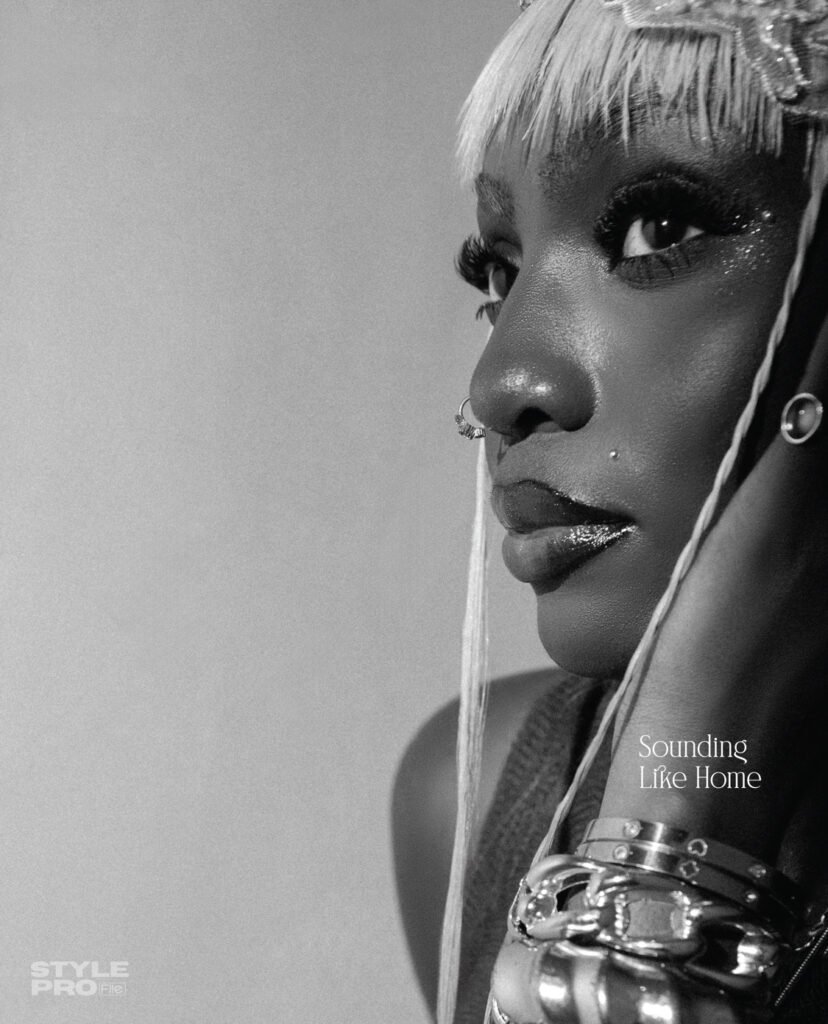
Then I heard the music.It was familiar enough to recognise, but different enough to make me stop scrolling. Pop melodies sat comfortably beside Yoruba lyricism in a way that didn’t feel forced or experimental for the sake of being different. It sounded like it knew exactly where it came from.Later, Solana would tell me she calls it YoruPop.The name made sense the moment I heard it.The sound itself was developed alongside Killertunes, one of Nigeria’s most respected producers, but what interested me wasn’t who produced it. It was why Solana felt the need to create a sound she could call her own.
“I’m a Lagos babe,” she tells me. “I really just wanted to create something that reflected my true depth.”
That answer explains more than she probably realises.For many artists, culture becomes something they reference from time to time. With Solana, it feels like the starting point. The Yoruba language isn’t sprinkled into the music because it’s fashionable. The styling isn’t built around cowries, gele or Aso Oke because they photograph well. Everything seems to belong to the same conversation.
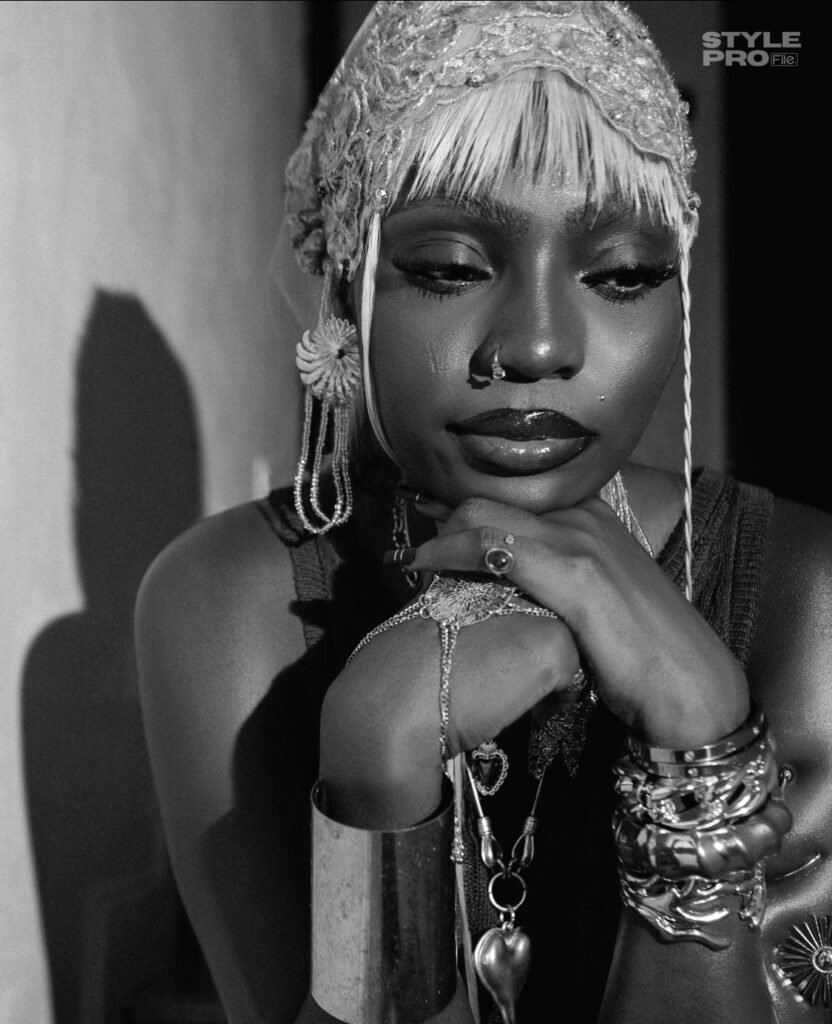
The music sounds the way the clothes look.
The clothes look the way the stories sound.
Nothing feels borrowed.
That same honesty appears when she talks about the artists she grew up admiring.Most people expect a conversation about chart success or vocal ability when Rihanna’s name comes up. Solana goes somewhere else.
“Rihanna has always been my ultimate inspiration because she’s true to herself. She’s not overly polished. There’s a natural vibe that she carries.”
It’s a small observation, but it tells you a lot about the kind of artist Solana wants to become.
Not perfect.
Just believable.
That approach is already beginning to find an audience.
Her single Okunkun has travelled quickly online, earning recognition from names like Diplo, Joeboy and Timini before making its way onto streaming platforms. For a relatively new artist, it’s the kind of momentum many people wait years for.
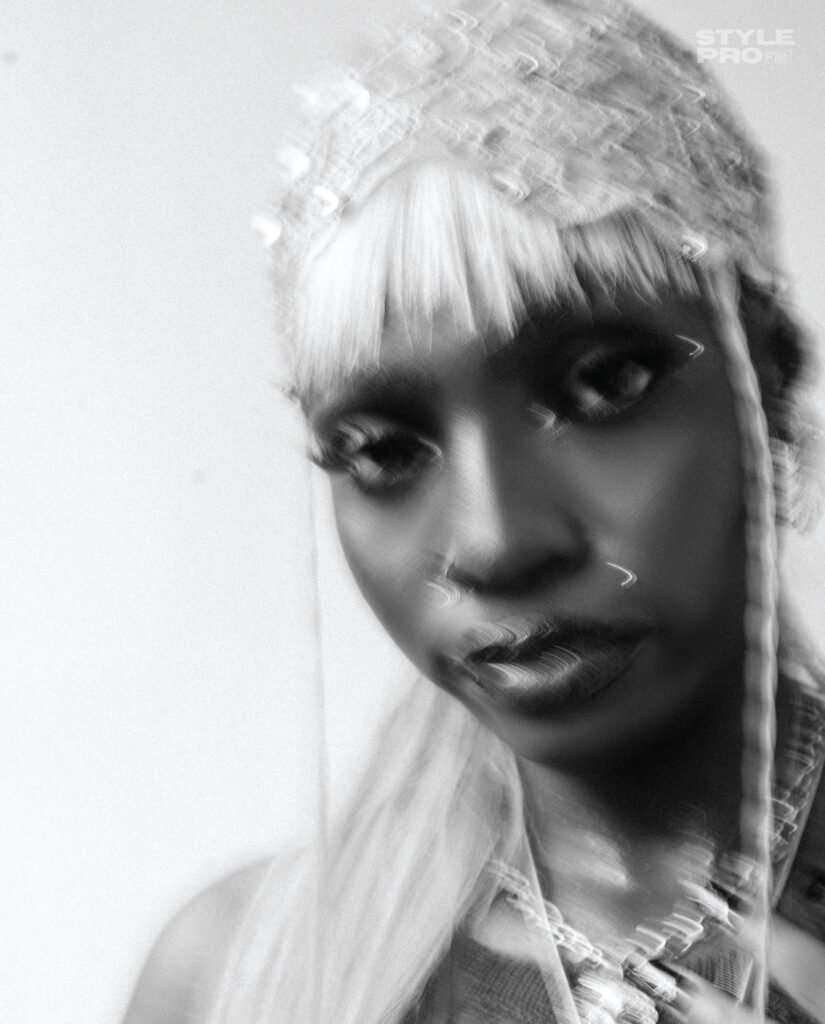
Still, she speaks less about the moment she’s having now than the one she’s trying to build.
“In the next five years, I want Solana to become an international brand. My goal right now is to take this unique sound across borders for people to hear.”
It’s an ambitious goal, but then again, creating a new lane usually is.
Towards the end of our conversation, I ask what she does when music isn’t occupying her time.
She laughs before answering.
“I’m a gamer girl. All my friends on Fortnite know me as the king of video games.”
It catches me off guard.
Not because it’s surprising, but because it reminds me that behind every carefully curated artist is still someone with hobbies, inside jokes and a life that exists away from cameras and stages.
When I think back to the first video that introduced me to Solana, I don’t remember one specific thing.
I remember how complete it felt.
The music, the styling, the language and the cultural references all seemed to belong together. None of it felt like branding. It felt like identity.
And maybe that’s what makes YoruPop interesting.
Not because it’s trying to reinvent Yoruba culture.
Simply because it never sounds like it left.